

2.4ghz antenna
I have found results from20000+products and8000+suppliers about2.4ghz antenna
Commonly Used:
US$
—
Customization Available
Sample Available
Manufacturer First
Product Attributes:
Type: WiFi Antenna
Type: Analog
Work Mode: AP+STA
WiFi Antenna Type: Built-in
Transmission Rate: >200Mbps
Voltage: 3.3V
Antenna Gain: 23dBi
Color: Black
Directionality: Omnidirectional Antenna
Nature of Operation: Transmitting Antenna
Sturcture Form: Wire Antenna
VSWR: <1.5
Gain: 5dBi
Material: Plastic
Operating Wavelength: Microwave
Polarization: Vertical Polarization
Usage Occasion: Base Antenna
Frequency Range: 2.4-2.5GHz
Usage: Communication Antenna
Portability: Yes
Storage Method: Flash Memory
Use: Workstation
USB Memory Port
Frequency Band: L1 Band
Application: Industrial
Customized: Customized
C Wave Range Program
Shaping Mode: Injection Mould
Surface Finish Process: Polishing
Mould Cavity: Multi Cavity
Plastic Material: ABS
Runner: Hot Runner
Design Software: AutoCAD
Installation: Fixed
Certification: TS16949
Standard: DME
Directionality: Directional Antenna
Nature of Operation: Receiving Antenna
Sturcture Form: Surface Antenna
VSWR: 1.5~2
VSWR: 2
VSWR: 1.5
Gain: 10dBi
Material: Al Alloy
Material: Al
Material: Steel
Material: Ceramic
Material: Cu
Material: Stainless Steel
Operating Wavelength: Medium Wave
Polarization: Horizontal Polarization
Usage Occasion: Handheld Antenna
Usage Occasion: Car Antenna
Frequency Range: 700-2700MHz
Usage: Hand Held
Usage: TV
Usage: Automotive
Usage: Home Theatre
Usage: Lattop
Application: Commercial
Residential / General-Purpose
Application: Household Appliances
Application: Electronic
Application: Home Use
Certification: ISO

Satisfies 1 requirement
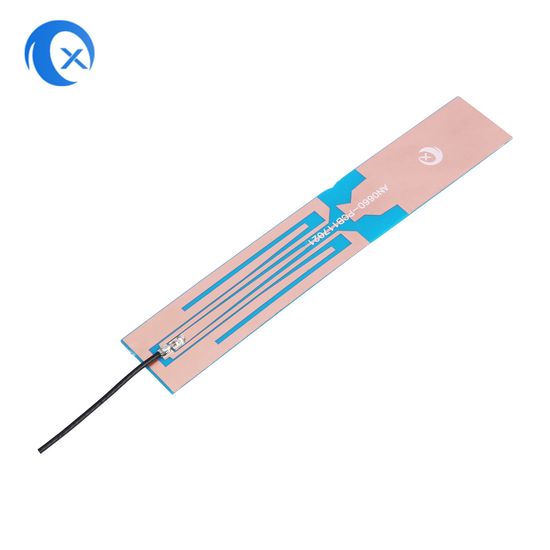
2.4GHz & 5.8GHz 2.5dBi 3dBi Dual Band Omni Built-in PCB WiFi Antenna RF Cable Assembly
US$0.96
10 Pieces(MOQ)

Satisfies 1 requirement
2.4GHz Omni-Directional WiFi PCB Antenna 3-5 dBi with Ipex Connector
US$0.39-0.79
500 Pieces(MOQ)

Satisfies 1 requirement
2.4GHz 5.8GHz 5-7dBi WiFi Antenna Omni Direction Collapsible Rotatable with SMA Male Connector Suction Cup Antenna
US$1.50
500 PCS(MOQ)

Satisfies 1 requirement
Compact 5dBi Omni Antenna 2.4GHz 5.8GHz N Female 86X58mm for WLAN Ap5800 and Ec5800 Modules in Control Panel
US$1,500.00-2,000.00
1 Piece(MOQ)

Satisfies 1 requirement
86X58mm 5dBi Omni Directional Antenna Dual Band 2.4GHz 5.8GHz N Female for WLAN Ec5800 Control Cabinet Signal Transmission
US$1,500.00-2,000.00
1 Piece(MOQ)

Satisfies 1 requirement
Communication Antenna 2.4GHz 2dBi Monopole Antenna for SMA
US$0.89-0.91
500 Pieces(MOQ)

Satisfies 1 requirement
Telescopic Antenna Vehicle 2.4GHz Antenna - Low Vswr<2.5 5dBi Gain Anti-Interference Metal Housing
US$1.00
1,000 Pieces(MOQ)

Satisfies 1 requirement
2.4GHz 2.5dBi Omni Direction Wireless WLAN WiFi Antenna with SMA Connector
US$0.26-1.08
1 Piece(MOQ)

Satisfies 1 requirement
2.4GHz WiFi Single Polarization Panel Antenna 120° Beamwidth for Wisp Outdoor
US$50.00-80.00
1 Piece(MOQ)

Satisfies 1 requirement
Omnidirectional Fiberglass Antenna 900MHz 1.2GHz 2.4GHz 5.2GHz 5.8GHz Omnidirectional High Gain Outdoor Waterproof Lora Antenna
US$19.99
2 Pieces(MOQ)

Satisfies 1 requirement
Six-Port Drone CPE Antenna 15. Odbi Gain 2*N Female Connector Adhesive Lnstallation 2.4GHz/5GHz 1.5GHz Antenna
US$50.00-55.00
1 Piece(MOQ)

Satisfies 1 requirement
High Gain 18dBi Panel Antenna for 2.4GHz Wireless Networks, 65° Horizontal Beamwidth, Vertical Polarization, Outdoor Use
US$64.88-72.10
10 pieces(MOQ)


Satisfies 1 requirement
ANTDG1317D4NR 27013719 N-female,with bracket,13dBi 2.4GHz&13dBi 5GHz WLAN Antennas
US$80.00-150.00
1 piece(MOQ)

Satisfies 1 requirement
2.4GHz/5.8GHz WiFi MIMO Combination Antenna with 3dBi Gain
US$6.98-7.63
500 Pieces(MOQ)

Satisfies 1 requirement
Reliable 5.5dBi 2.4GHz Antenna for Industrial Use and Connectivity
US$0.50
100 Pieces(MOQ)

Satisfies 1 requirement
2.4GHz 5.8GHz 2.5dBi 10dBi TV Antenna with SMA Male Connector
US$0.80
100 Pieces(MOQ)

Satisfies 1 requirement
Custom RF Antenna 300-400MHz 400-520MHz 433MHz 470-510MHz 868-930MHz 1.3GHz 1.8GHz 2.4GHz 5.8GHz Multi Frequency Wireless Communication Antenna Manufacturer
US$1.31-2.51
10 Pieces(MOQ)

Satisfies 1 requirement
China 1.3~1.5g 1.6~1.8g 2.4GHz 5.8GHz WiFi 600-6000MHz 4G 5g 5dBi Long Range WiFi Omnidirectional Omni Fiberglass Communication Antenna
US$12.00-20.00
10 Pieces(MOQ)

Satisfies 1 requirement
Sanda 2.4GHz 15dBi Outdoor Base Station FRP Antenna
US$8.40-10.00
10 Pieces(MOQ)

Satisfies 1 requirement
2.4GHz Fiber Glass Marine Antenna, 2400-2483MHz Ratchet Mount Omni-Directional Antenna for Yacht and Boat
US$8.00-10.00
10 Pieces(MOQ)

Satisfies 1 requirement
15dBi High Gain Outdoor WiFi Antenna 2.4GHz Wireless Network Antenna
US$4.25-6.25
2 Pieces(MOQ)

Satisfies 1 requirement
High Gain Dual-Band Y Antenna for Drone Fpv 2.4GHz 433MHz/915MHz with Cable RF Connector
US$1.50-3.00
100 Pieces(MOQ)


Satisfies 1 requirement
High-Gain 2.4GHz Wireless Rubber Antenna with SMA Connector for Enhanced Signal
US$10,000.00-12,000.00
1 Set(MOQ)

Satisfies 1 requirement
2.4GHz 60cm Fiberglass Omnidirectional Antenna IP67 Waterproof for Uav & Drone Systems
US$8.00-10.00
1 Piece(MOQ)

Satisfies 1 requirement
IP67 Waterproof Fiberglass Four-Leaf Clover Antenna 2.4GHz 5.8GHz 433MHz 720-840MHz Optional for Fpv Drone Uav RC Quadcopter
US$30.00-40.00
1 Piece(MOQ)
Sourcing guidance for 2.4ghz Antenna
What technical specifications are critical when selecting a 2.4GHz antenna for industrial or commercial use?
Buyers must prioritize Gain (dBi), which determines the signal range and coverage area; higher gain is better for long-distance point-to-point links, while lower gain is ideal for omnidirectional indoor coverage. Voltage Standing Wave Ratio (VSWR) should ideally be less than 1.5 to ensure maximum power transmission efficiency and minimal signal reflection. Additionally, verify the Impedance (typically 50 Ohms) and Polarization (Vertical or Horizontal) to match your existing wireless equipment.
How do I ensure the antenna is compliant with international wireless regulations?
For the US market, ensure the product meets FCC Part 15 regulations; for the EU, it must comply with CE RED (Radio Equipment Directive) and RoHS standards for hazardous substances. If the antenna is for outdoor use, check for an IP67 or IP68 rating to guarantee dust and water resistance, and ensure the housing material is UV-stabilized to prevent degradation from sunlight.
What are the common usage scenarios and how do they affect the choice of antenna type?
For indoor Wi-Fi routers or IoT gateways, Omnidirectional Rubber Duck antennas are standard for 360-degree coverage. For outdoor long-range bridges, Directional Yagi or Panel antennas are required to focus the signal in a specific direction. In smart city or warehouse applications, MIMO (Multiple Input, Multiple Output) antennas are preferred to increase data throughput and link reliability in environments with many obstructions.
How can I verify the quality and performance of the antennas before a bulk purchase?
Request a Network Analyzer test report from the supplier to verify the actual frequency resonance and VSWR across the 2.4GHz band (2400-2483.5 MHz). It is highly recommended to order samples for field testing to check signal stability and physical build quality. Professional suppliers on Made-in-China.com often provide 2D/3D radiation pattern charts to show how the signal is distributed.
Cross-Border Procurement & Risk Management for 2.4GHz Antennas
What are the primary risks when sourcing electronic components like antennas internationally?
The biggest risks include specification mismatch (receiving antennas tuned to the wrong frequency) and counterfeit materials (using low-grade copper or plastic). To mitigate this, use Trade Resources on Made-in-China.com and choose Audited Suppliers who have undergone third-party verification of their manufacturing capabilities and quality management systems.
How should I negotiate pricing and MOQs for custom antenna designs?
For custom cable lengths or specific connectors (like SMA, RP-SMA, or U.FL), MOQs typically range from 100 to 500 units. When negotiating, ask for tiered pricing; increasing your order from 500 to 2,000 units can often yield a 15-25% cost reduction. Always clarify if the unit price includes custom labeling or retail packaging to avoid hidden costs later.
What logistics and shipping precautions should be taken for sensitive electronic components?
Antennas, especially long Yagi or delicate PCB antennas, are prone to bending or static damage. Ensure the supplier uses Anti-static packaging and reinforced outer cartons with internal padding. For shipping to North America or Europe, compare FOB (Free On Board) terms to have better control over freight costs, and ensure the HS Code (typically 8517.70) is correctly declared to avoid customs delays or incorrect duty assessments.
How can I ensure transaction security during the payment process?
Always utilize Secured Payment services provided by the platform to ensure your funds are only released to the supplier after you confirm receipt of the goods. Avoid direct wire transfers to private accounts. For large orders, consider a 30% deposit and 70% balance payment after a successful pre-shipment inspection by a third-party agency.