
Satisfies 1 requirement
High Low Temperature Resistant Connector AC Hose Fittings
US$0.75-1.00
100 Pieces(MOQ)

I have found results from100000+products and60000+suppliers aboutAc fittings


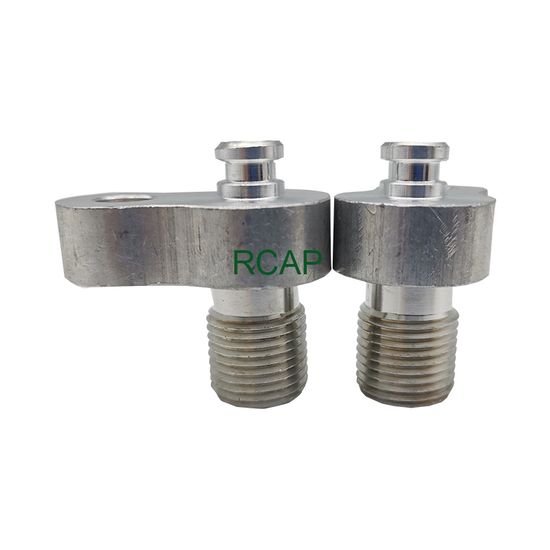


For HVAC and automotive AC systems, fittings must be made from high-grade Aluminum (6061 or 7075) or Corrosion-Resistant Brass. Ensure the products meet SAE J513 standards for refrigeration tube fittings. The material must withstand high operating pressures, typically up to 500 PSI for R-410A systems, without deformation or leakage.
Compatibility is determined by the O-ring material and thread specifications. For R-134a or R-1234yf, ensure the fittings use HNBR (Hydrogenated Nitrile Butadiene Rubber) O-rings, which are resistant to specialized oils. Verify if the threads are NPT (National Pipe Thread), Flare, or O-ring Face Seal (ORFS) to match your existing system architecture.
B2B buyers should prioritize suppliers with ISO 9001:2015 for quality management. For European markets, CE marking and compliance with the Pressure Equipment Directive (PED) 2014/68/EU are essential. For North American markets, look for UL (Underwriters Laboratories) recognition to ensure safety and reliability in electrical HVAC components.
Focus on thread precision using go/no-go gauges to prevent cross-threading. Conduct salt spray testing (ASTM B117) for at least 96 hours to ensure corrosion resistance. Additionally, request a burst pressure test report to confirm the safety margin is at least 3 to 4 times the rated working pressure.
Request a Material Test Report (MTR) or a Mill Test Certificate (MTC) for every batch. You should also consider using a third-party inspection service (like SGS or Intertek) to perform a PMI (Positive Material Identification) test before the balance payment is made to ensure the alloy composition matches your requirements.
Negotiate based on raw material index pricing (e.g., LME Aluminum or Copper prices). Suggest a tiered pricing structure where the unit price drops as the volume increases. On Made-in-China.com, look for 'Diamond Members' or 'Audited Suppliers' who are more likely to offer stable long-term pricing contracts compared to small trading companies.
AC fittings are dense and heavy; ensure the supplier uses reinforced double-wall corrugated boxes and palletization with plastic strapping. To prevent oxidation during sea freight, require VCI (Volatile Corrosion Inhibitor) bags or desiccant packs inside the packaging. For large orders, FOB (Free On Board) is recommended to maintain control over shipping costs and customs clearance.
Always use Secured Payment services provided by reputable platforms like Made-in-China.com to ensure funds are only released after proof of shipment. Avoid direct wire transfers to private accounts. Verify the supplier's Business License and check their export history to confirm they have experience shipping to your specific region.