Satisfies 1 requirement
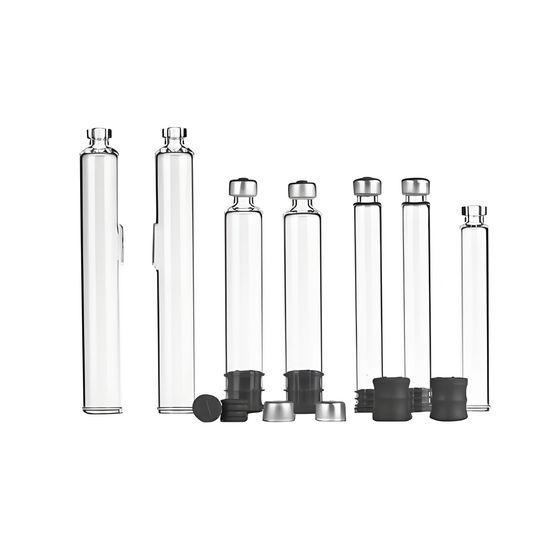
Amber Borosilicate Glass Vials for Light-Sensitive Drugs
US$0.01-0.05
1 Box(MOQ)

I have found results from100000+products and40000+suppliers aboutAmber glass


Amber glass is primarily valued for its superior UV protection, as it filters out blue and ultraviolet light that can cause photo-oxidation. This makes it the industry standard for pharmaceuticals, essential oils, and craft beer, ensuring the chemical stability and shelf-life of light-sensitive contents. Additionally, glass is 100% recyclable and chemically inert, meaning it will not leach chemicals into the product.
Buyers should focus on Glass Type (Type I, II, or III) based on the alkalinity requirements of the product. For medical use, Borosilicate glass (Type I) is preferred for its high thermal shock resistance. Ensure the neck finish (e.g., GPI or DIN standards) is compatible with intended closures like droppers, pumps, or phenolic caps to prevent leakage and evaporation.
For food and beverage applications, products must meet FDA (US) or EC 1935/2004 (EU) food contact safety standards. Pharmaceutical packaging should adhere to USP <660> or Ph. Eur. 3.2.1 for hydrolytic resistance. Always request Heavy Metal Testing reports (Lead and Cadmium free) to ensure compliance with environmental regulations like RoHS or REACH.
Request samples to perform a stress test for thermal shock resistance and check for wall thickness uniformity using calipers. Inspect for visual defects such as bubbles (seeds), stones, or mold seams that could compromise structural integrity. For amber color consistency, use a spectrophotometer to ensure the light transmission meets the required UV-blocking threshold (usually <10% between 290-450nm).
The primary risk is breakage during transit due to improper palletization or rough handling. To mitigate this, insist on 5-layer corrugated export cartons and honeycomb dividers. For bulk orders, shrink-wrapped palletization is mandatory. Another risk is alkaline bloom (weathering) caused by moisture during sea freight; ensure the supplier uses desiccants and high-quality anti-corrosion packaging.
Amber glass production is energy-intensive and runs on continuous furnaces, so MOQs are often high (e.g., 20,000+ units) for custom molds. To get better pricing, align your orders with the factory's production schedule for standard shapes. Negotiate based on Total Cost of Ownership (TCO), including the cost of custom molds, which can be amortized if the order volume exceeds a certain threshold (e.g., 100,000 units).
Utilize Trade Assurance services provided by reputable platforms like Made-in-China.com to protect your payment until delivery is confirmed. Always conduct a Pre-Shipment Inspection (PSI) by a third party (like SGS or Intertek) to verify the quantity, quality, and packing list before the final balance is paid. This prevents the risk of receiving sub-standard or broken goods.
Be aware of Anti-dumping duties that some regions (like the EU or USA) may impose on specific glass categories from China. Check the HS Code (typically 7010.90) against your local customs tariff schedule. Ensure the supplier provides a Certificate of Origin to potentially benefit from Free Trade Agreements (FTAs) and reduce import tariffs.