
Satisfies 1 requirement
Apple Cabin Glass House Luxury Glamping Pod for Nature Resorts
US$3,950.00
1 Piece(MOQ)

I have found results from20000+products and5000+suppliers aboutApple pod house


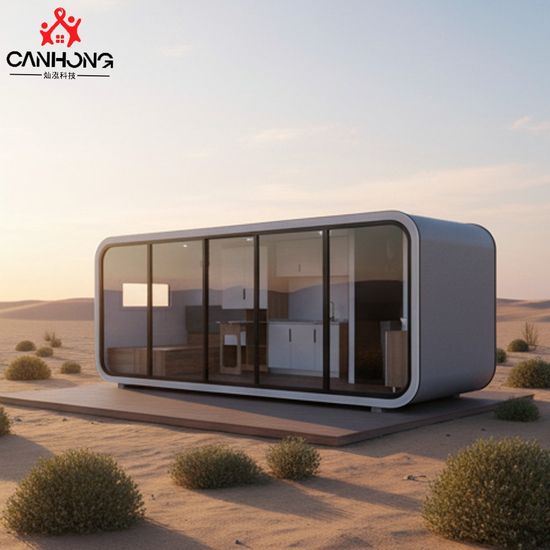


When sourcing an Apple Pod House, prioritize a galvanized steel frame for superior structural integrity and rust resistance. The exterior shell should ideally be made of aviation-grade aluminum or high-strength fiberglass (FRP) to ensure weatherproofing and a sleek aesthetic. For insulation, ensure the supplier uses polyurethane (PU) foam or rock wool with a thickness of at least 50mm-100mm to maintain thermal efficiency. Additionally, verify that the glass components are double-glazed tempered vacuum glass to provide excellent sound insulation and UV protection.
Compliance is critical for legal installation. Ensure the product meets ISO 9001 for manufacturing quality. For electrical systems, look for CE (Europe), UL (USA), or SAA (Australia/NZ) certifications to ensure wiring, sockets, and lighting are safe. If the pod includes a bathroom, plumbing components should adhere to UPC or WaterMark standards. Furthermore, check if the materials meet B1 or B2 fire rating standards to comply with local building codes and safety regulations.
Modern Apple Pods often feature integrated technology. Confirm if the supplier provides integrated smart control systems for lighting, HVAC, and electronic curtains. Check the load-bearing capacity of the floor (should be ≥200kg/m²) to ensure it can support heavy furniture. For 'plug-and-play' functionality, verify that the pod comes with a pre-installed distribution box and external hookups for water and sewage, which significantly reduces on-site installation costs.
Apple Pods are versatile, serving as backyard offices, glamping pods, mobile showrooms, or auxiliary dwelling units (ADUs). Professional suppliers on Made-in-China.com usually offer customization for interior layouts (studio vs. one-bedroom), exterior colors, and flooring materials (e.g., SPC stone-plastic flooring). Ensure the supplier can provide CAD or 3D renderings before production to align with your specific spatial requirements.
The biggest risks include shipping damage and non-compliance with local zoning laws. To mitigate these, always request detailed packaging photos (steel framing or wooden crates are preferred) and ensure the supplier provides a Certificate of Origin to potentially reduce import tariffs. It is highly recommended to use Made-in-China.com's inspection services to verify the unit's dimensions and finish quality before it leaves the factory.
While the MOQ is often 1 unit, you can negotiate a 5-10% discount for orders of 3 units or more due to optimized shipping container utilization. Discuss Incoterms clearly; for large pods, CIF (Cost, Insurance, and Freight) or DDP (Delivered Duty Paid) are common, but FOB (Free On Board) gives you more control over the shipping line and schedule. Always ask for a breakdown of the BOM (Bill of Materials) to ensure you aren't overpaying for low-grade interior finishes.
Apple Pod Houses are typically shipped via 40ft FR (Flat Rack) or 40ft HQ (High Cube) containers depending on their width. If the pod exceeds 2.25 meters in width, it may require a Flat Rack, which is significantly more expensive. Ensure the supplier uses heavy-duty lifting eye bolts and provides a loading plan to prevent structural warping during crane operations at the port. For the final mile, you will need to arrange a crane truck for offloading at your destination.
Utilize secured payment methods and trade assurance programs offered by Made-in-China.com to protect your capital until the shipping documents are released. Regarding after-sales, negotiate a warranty period of at least 2-5 years on the main structure and 1 year on electrical appliances. Ensure the supplier provides a detailed installation manual and video guide, as well as a small kit of spare parts (LED drivers, door handles, sealants) to handle minor issues upon arrival.