
Satisfies 1 requirement
5ml 10ml 15ml Pharmaceutical Viccine Glass Vials Injection Bottle Borosilicate Glass Vails
US$0.03
10,000 Pieces(MOQ)

I have found results from10000+products and5000+suppliers aboutBorosilicate glass vials




Buyers must distinguish between Type I, Type II, and Type III glass. For pharmaceutical and high-end chemical use, Type I Neutral Borosilicate Glass is the gold standard due to its superior hydrolytic resistance and low expansion coefficient. Ensure the vials meet USP <660> or EP 3.2.1 standards for glass quality. Additionally, verify the dimensional tolerances (wall thickness, neck finish, and total height) to ensure compatibility with automated filling lines and capping equipment.
The coefficient of linear thermal expansion (COE) is critical. Standard borosilicate glass usually has a COE of 3.3 or 5.0. A lower COE (3.3) provides maximum thermal shock resistance, making it ideal for processes involving lyophilization (freeze-drying) or rapid sterilization cycles. Choosing the wrong COE can lead to glass breakage or delamination during extreme temperature fluctuations.
For medical and lab applications, suppliers should provide ISO 15378 certification, which combines ISO 9001 with Good Manufacturing Practices (GMP) specifically for primary packaging materials. Furthermore, ensure the products are FDA registered or have a Drug Master File (DMF) number if they are intended for the US market. CE marking and RoHS compliance are also essential for European distribution to ensure the absence of heavy metals like lead or cadmium.
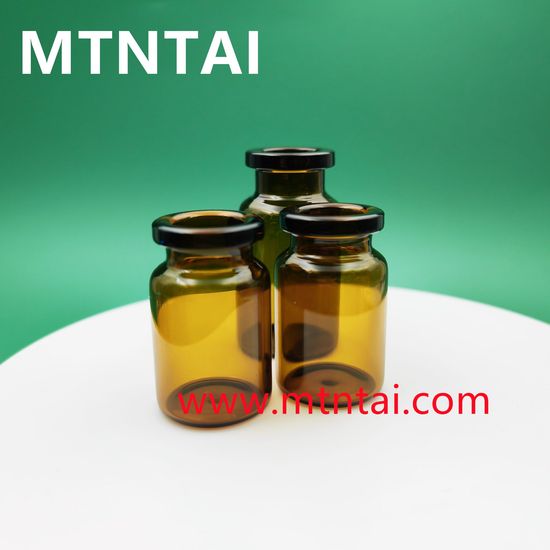
Suppliers on Made-in-China.com often offer amber glass for light-sensitive compounds and clear glass for visual inspection. Customization includes silk-screen printing, ceramic labeling, and internal surface treatments (like siliconization) to reduce protein adsorption. You should also specify the neck finish (crimp top, screw thread, or snap cap) based on your specific sealing requirements.
Glass is fragile, so packaging protocols are paramount. Insist on honeycomb cardboard dividers, vacuum-sealed plastic shrink-wrap, and double-walled corrugated outer cartons. For large orders, palletization with plastic corner protectors and stretch wrap is mandatory. Always include a clause in the contract for a breakage allowance (typically 1-2%) and require the supplier to use shock-absorbent materials.
Focus on Total Cost of Ownership (TCO) rather than just the unit price. Negotiate based on volume tiers; for instance, increasing an order from 50,000 to 100,000 units can often yield a 10-15% discount. Request a pre-shipment inspection (PSI) by a third party like SGS or Intertek to ensure the batch matches the approved golden sample. On Made-in-China.com, prioritize Audited Suppliers to ensure factory legitimacy.
Use secure payment methods such as Letters of Credit (L/C) for very large volumes or Escrow-based services provided by reputable platforms. Avoid direct wire transfers to private accounts. Ensure the Proforma Invoice (PI) clearly states the Incoterms (e.g., FOB Shanghai or CIF Los Angeles), detailed product specs, and the dispute resolution venue.
Verify the HS Code (typically 7010.90) with your customs broker to determine the exact duty rate in your country. Be aware of anti-dumping duties that some regions apply to specific glass products. Ensure the supplier provides a complete set of documents: Commercial Invoice, Packing List, Certificate of Analysis (COA), and Bill of Lading to prevent delays at the port.