

Cane chair
I have found results from9000+products and3000+suppliers aboutCane chair
Commonly Used:
US$
—
Customization Available
Sample Available
Manufacturer First
Product Attributes:
Type: Multi-Foot Cane
Usage: Nursing Center
Suitable for: Patient
Condition: New
Rotary: Rotary
Customized: Customized
Material: Wood
Style: Modern
Shape: Square
Back Height: High Back
Seater: 1
Armrest: Without Armrest
Fixed: Fixed
Folded: Folded
Certification: CE
Seat Thickness: 2.0mm
Color: Brown
Standard for Hazardous Substances Test: ISO 14184
Kind: Leisure Chair
Max Load Capactiy: 200KG
Using Ambient: Outdoor
Disassembly: Disassembly
Principle: Fixed Type
Usage: Patient Care
Usage: Dining Room
Usage: Bar
Usage: Hotel
Usage: Outdoor
Usage: Home
Usage: Study
Usage: Bedroom
Suitable for: Adult
Rotary: Fixed
Rotary: Hanging
Customized: Non-Customized
Rattan / Wicker
Material: Metal
Material: Solid Wood
Material: Wooden
Material: Fabric
Material: Plastic
Material: Aluminium Alloy
Material: Genuine Leather
Style: European
Style: Simple
Style: International
Shape: Rectangle
Shape: Round
Back Height: Medium Back
Back Height: Low Back
Armrest: With Armrest
Fixed: Unfixed
Folded: Unfolded
Certification: ISO9001
Certification: RoHS
Certification: ISO
Seat Thickness: 1.5mm
Color: Black
Using Ambient: Indoor

Satisfies 1 requirement
Nordic Style Solid Wood Chair with Natural Rattan Cane Wicker Seat
US$87.00-92.00
20 Pieces(MOQ)

Satisfies 1 requirement
Outdoor Patio Garden Rattan Wicker Hanging Cane Swing Chair with Stand in Seater
US$99.00-108.00
1 Set(MOQ)

Satisfies 1 requirement
Nordic Solid Wood Cane Foldable Dining Chair for Home Use
US$21.00-23.00
100 Pieces(MOQ)

Satisfies 1 requirement
Saudi Arabian Africa Antique Hotel Furniture Cane Back Armrest Wood Louis Event Renal Wedding Chair
US$60.00-63.00
100 Pieces(MOQ)

Satisfies 1 requirement
Paris Patio Green French Bistro Outdoor Bamboo Rattan Dining Cane Garden Chairs
US$28.00-33.00
10 Pieces(MOQ)

Satisfies 1 requirement
Rattan and Cane Back Dining Chair Natural Rattan Frame with Hand-Woven Cane Backrest, Solid Oak Seat, Bohemian Coastal Vibe
US$48.00-80.00
50 Pieces(MOQ)

Satisfies 1 requirement
Stacking Dining Round Padded Back Cane Back Beige Tweed Fabric Louis Chair for Rental Hotel restaurant Wedding Banquet Event Dining
US$9.99-50.00
50 Pieces(MOQ)

Satisfies 1 requirement
Outdoor Cane Sofa Modern Garden Cane Sofa Balcony Open Air Hotel Cane Dining Chair
US$105.00-117.00
1 Piece(MOQ)

Satisfies 1 requirement
Modern Contracted Indonesian Cane Woven Chair Armrest Solid Wood Dining Chair
US$116.17-145.22
1 Piece(MOQ)

Satisfies 1 requirement
OEM New Carton Foshan Hotel Furniture Reed Cane Lounger Set Outdoor Chair
US$80.00-200.00
5 Pieces(MOQ)

Satisfies 1 requirement
Hot Selling Luxury Designed Accent Cane Velvet Chesterfield Button Commercial Tufted Dining Chair with Metal Frame
US$35.00-43.00
10 Pieces(MOQ)

Satisfies 1 requirement
Rattan Furniture Black Wood Frame Cane Back Vitange Lounge Chair for Hotel Furniture
US$699.00-866.00
10 Sets(MOQ)

Satisfies 1 requirement
Hot Selling Rural Style MID Century Indoor Outdoor Coffee Restaurant Furniture Cane Wave Rattan Seating Cushion Wood Chair
US$30.90-35.90
200 Pieces(MOQ)

Satisfies 1 requirement
Foshan Modern Black Solid Wood Restaurant Wooden Hotel Dining Room Cane Back Chair
US$80.00-200.00
1 Set(MOQ)

Satisfies 1 requirement
Stackable Dining Rubber Wood Round Padded Back Cane Back Beige Tweed Fabric Louis Chair for Rental Hotel
US$99.00-299.00
1 Piece(MOQ)

Satisfies 1 requirement
Wholesale Modern Indoor and Outdoor PE Wicker Hanging Cane Chairs Furniture
US$145.00
5 sets(MOQ)

Satisfies 1 requirement
Natural Wood Rattan Cane Cross Back Dining Chair for Cafe Banquet Wedding
US$28.00-30.00
50 pieces(MOQ)

Satisfies 1 requirement
Wholesale Woven Cane Leisure Chair Solid Wood Frame Dining Seating for Hotel Cafe Restaurant Wedding Banquet
US$35.00
100 Pieces(MOQ)

Satisfies 1 requirement
European Royal Style Vintage Wood Upholstered Cane Back Wedding Event Dinner Chair
US$98.00-205.00
10 Pieces(MOQ)

Satisfies 1 requirement
Paris Patio Green French Bistro Outdoor Bamboo Rattan Dining Cane Garden Chairs
US$29.69-33.00
100 Pieces(MOQ)

Satisfies 1 requirement
China Dining Room Garden Outdoor Wood Can Chair, Frances Stylish Folding Natural Cane Rattan Black Painting Wooden Wholesale Dining Chairs- 2PCS
US$32.00-49.00
60 Pieces(MOQ)

Satisfies 1 requirement
Classic Vienna Style Bentwood Restaurant Chair with Cane Wooden Rattan PU Leather
US$52.00
1 Piece(MOQ)

Satisfies 1 requirement
Cheap Stackable Cane Design Furniture Modern Rattan Plastic Chair for Outdoor Restaurant Cafe Dining Room
US$5.80-7.20
500 Pieces(MOQ)

Satisfies 1 requirement
Folding Walking Stick Seat Multi Function Walking Cane Crutch Stool Three Legged Cane Walking Stick Chair
US$28.00-33.00
1 Piece(MOQ)

Satisfies 1 requirement
3 Legs Crutches Chair with Seat Aluminum Alloy Walking Stick Cane Chair
US$44.00-50.00
1 Piece(MOQ)
Satisfies 1 requirement
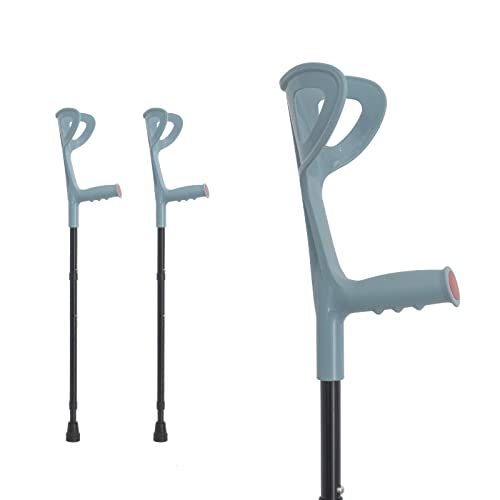
Folded Non-Customized Brother Medical Standard Package Transparent Chair Cane Sword
US$2.00-2.80
200 Pieces(MOQ)

Satisfies 1 requirement
Anji ZG Manufacturer Modern Design Solid Wood or Plastic Cane Back Rattan Back Louis Chair for Wedding Dining Event (ZG16-023)
US$35.50-38.50
100 Pieces(MOQ)


Satisfies 1 requirement
Slipcovered Cushioned MID Century Green Cane Wood Dining Home Living Room Chair for Wholesale Distributors with Upholstered Fabric Stackable
US$16.80-17.30
8 Pieces(MOQ)
Sourcing guidance for Cane Chair
What are the key material differences between natural rattan and synthetic PE cane chairs?
Natural rattan offers an authentic, eco-friendly aesthetic and high tensile strength, making it ideal for indoor or covered patio use; however, it is susceptible to moisture and UV damage. Synthetic PE (Polyethylene) cane is the industry standard for all-weather outdoor furniture, as it is UV-resistant, waterproof, and recyclable. For B2B buyers, PE cane is often preferred for commercial hospitality projects due to its lower maintenance requirements and longer lifespan in diverse climates.
What technical specifications ensure the structural integrity of a cane chair for commercial use?
To ensure durability, buyers should specify a powder-coated aluminum frame with a wall thickness of at least 1.2mm to 1.5mm to prevent rust and bending. The weaving should be tight and uniform, with no visible ends or loose strands. For seating comfort and safety, ensure the chair has a weight capacity of at least 150kg (330 lbs) and utilizes reinforced cross-bars under the seat base.
Which international compliance standards should I verify before importing cane chairs?
For the European market, look for EN 581-1/2/3 certifications, which cover safety, strength, and durability for outdoor furniture. For the US market, compliance with BIFMA standards for commercial-grade seating is recommended. Additionally, if the chairs include cushions, they must meet regional fire retardancy standards such as BS 5852 (UK) or CAL 117 (USA). Always request FSC (Forest Stewardship Council) certification if sourcing natural rattan to ensure sustainable forestry practices.
How can I evaluate the quality of the weaving and finish during the sourcing process?
Request high-definition photos or a pre-production sample to inspect the 'end-of-weave' points; high-quality manufacturers hide these under the frame. Check for colorfastness (Grade 4 or higher on the Grey Scale) to ensure the cane won't fade. For natural cane, ensure the surface is smoothly sanded and coated with a non-toxic, anti-fungal lacquer to prevent splintering and mold growth.
Cross-Border Procurement Risks and Strategies for Cane Chairs
How can I mitigate the risk of damage during international shipping?
Cane chairs are often bulky and prone to pressure damage. Use stackable designs to optimize container space and reduce shipping costs. Ensure the supplier uses heavy-duty 5-layer corrugated cartons with foam edge protectors and bubble wrap for each chair. For high-end natural cane, silica gel desiccant packets must be included in the packaging to prevent mold during long sea voyages.
What are the best strategies for negotiating with cane chair manufacturers on Made-in-China.com?
Focus on Total Cost of Ownership (TCO) rather than just the unit price. Negotiate based on volume tiers (e.g., 20GP vs. 40HQ containers), as shipping efficiency significantly impacts the final landed cost. Ask for a spare parts kit (extra cane strips and foot caps) to be included at no extra cost. For long-term partnerships, request OEM/ODM customization rights to ensure your designs remain exclusive to your brand.
What transaction security measures should be taken when dealing with overseas suppliers?
Always conduct transactions through secure payment channels and consider using third-party inspection services (like SGS or Intertek) to perform a Final Random Inspection (FRI) before the balance payment is made. Verify the supplier's Business License and Export Qualifications on Made-in-China.com to ensure they are a legitimate factory rather than a small trading middleman.
How do I handle customs and import duties for cane products?
Identify the correct HS Code (typically 940152 for bamboo/rattan or 940171 for metal-framed outdoor chairs) to determine the exact tariff rates. Be aware that natural cane may require a Phytosanitary Certificate and Fumigation Certificate to pass customs in many countries. Consult with a professional freight forwarder to ensure all environmental and agricultural documentation is prepared in advance to avoid costly port delays.