
Satisfies 1 requirement
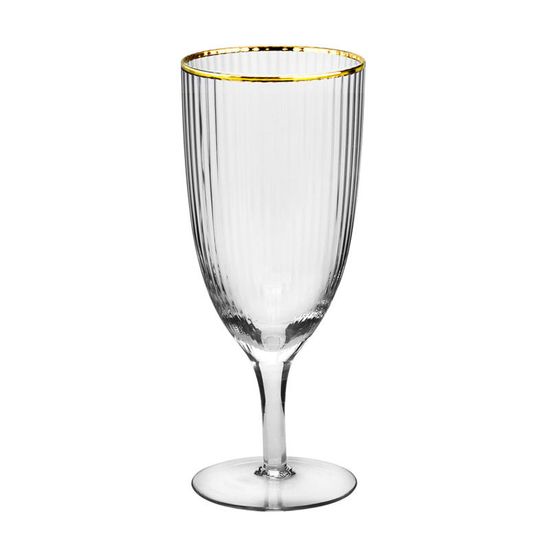
Clear Glass Goblet Wineglasses Champagne Whisky Glass Cup for Wedding Party
US$0.35-1.50
500 Pieces(MOQ)

I have found results from70000+products and20000+suppliers aboutChampagne glass




For B2B buyers, choosing the right material impacts both brand positioning and durability. Soda-Lime glass is cost-effective and highly resistant to breakage, making it ideal for high-volume catering. However, Lead-Free Crystal is preferred for luxury hospitality because it can be spun thinner, offers superior refractive indices (brilliance), and provides a better acoustic 'ring' when clinking. Ensure the supplier uses barium or zinc oxide as a safe alternative to lead to meet modern health standards.
The shape is not just aesthetic; it dictates the effervescence and aroma profile. The Flute is the industry standard for preserving carbonation due to its small surface area. The Tulip shape is increasingly popular for premium vintages as it traps aromas at the rim. The Coupe is primarily used for themed events or champagne towers but leads to faster carbonation loss. For versatile sourcing, prioritize Tulip-shaped glasses with a laser-etched nucleation point at the base to ensure a steady stream of bubbles.
Buyers should distinguish between machine-blown and hand-blown glasses. Hand-blown glasses offer a seamless transition between the bowl and the stem, providing a premium tactile experience and lighter weight. For machine-made orders, specify 'pulled stem' technology rather than 'cemented stems' to avoid visible seams and structural weak points. Always request a rim-tempering process to increase chip resistance by up to 3 times.
Glassware intended for food contact must strictly adhere to regional safety regulations. For the US market, ensure compliance with FDA 21 CFR regarding lead and cadmium leaching. For the EU, products must meet Regulation (EC) No 1935/2004. If sourcing from Made-in-China.com, look for suppliers who provide SGS or Intertek laboratory test reports to facilitate smooth customs clearance.
Fragility is the primary risk in glassware logistics. Demand 5-layer corrugated outer cartons and internal EPE foam or customized egg-crate dividers. For high-end crystal, individual color box packaging with drop-test certification (ISTA 1A or 3A) is recommended. Ensure the Incoterms are clearly defined; CIF (Cost, Insurance, and Freight) is often preferred for fragile goods to ensure the cargo is covered against damage during the voyage.
Focus on Total Landed Cost rather than just the unit price. Negotiate for a lower breakage allowance (typically 2-3%) where the supplier replaces broken items in the next shipment. If you are a high-volume buyer, request custom mold exclusivity to prevent competitors from selling the same design. When sourcing via Made-in-China.com, leverage the Audit Reports to verify the factory's actual production capacity and kiln types before starting price talks.
Utilize Third-Party Inspection (TPI) services like V-Trust or QIMA. The inspection should focus on visual defects (bubbles, stones, or cords in the glass), dimensional consistency, and annealing quality (using a polariscope to check for internal stress). A 'Stress Test' involving boiling water and ice water cycles is essential to ensure thermal shock resistance.
Be aware of Anti-Dumping Duties (ADD) that some regions (like the EU) may impose on specific types of Chinese glassware. Always check the HS Code (typically 7013.22 or 7013.37) against your local tariff schedule. To ensure transaction security, use Secured Payment services provided by reputable B2B platforms to hold funds until the Bill of Lading (B/L) is confirmed.