
Satisfies 1 requirement
Construction Site Accommodation Luxury Classroom Office Building Z Folding Flat Pack Container Camp
US$1,189.00-1,359.00
10 Sets(MOQ)

I have found results from40000+products and10000+suppliers aboutClassroom container


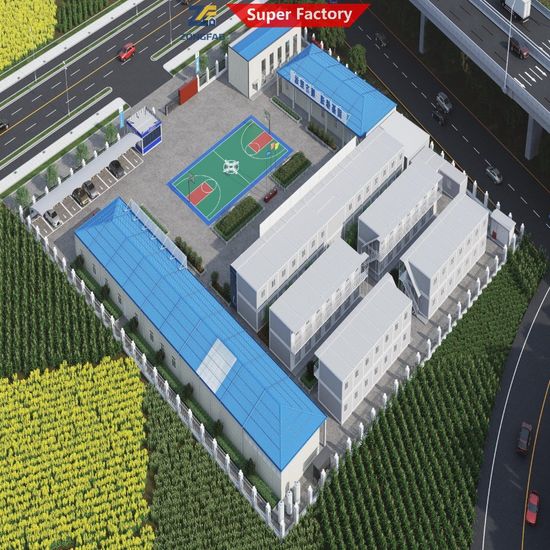


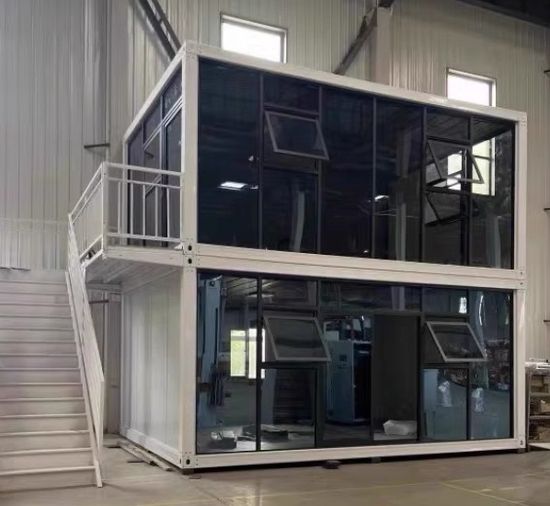
When selecting a classroom container, the structural integrity is paramount for student safety. You should prioritize galvanized steel frames with a thickness of at least 3.0mm to prevent corrosion and ensure seismic stability. For the wall panels, 50mm to 100mm Rockwool sandwich panels are recommended because they provide superior fire resistance (Class A) and excellent thermal insulation, which are critical for a learning environment.
Educational structures must meet strict local building codes. Ensure the supplier provides ISO 9001 certification for quality management and CE or SGS certifications for structural safety. Specifically for classrooms, verify that the flooring uses fireproof MGO board (Magnesium Oxide) topped with heavy-duty PVC vinyl, and ensure all electrical components (wiring, switches, and sockets) comply with the IEC (International Electrotechnical Commission) standards of the destination country.
A productive classroom requires proper ventilation and lighting. Look for suppliers offering double-glazed PVC or Aluminum windows to provide natural light while maintaining sound insulation (at least 35dB reduction). Additionally, ensure the design includes integrated HVAC systems or pre-installed AC brackets and ventilation fans to maintain air quality. The ceiling should be finished with white coated steel sheets or acoustic tiles to improve light reflection and reduce echo.
Container classrooms offer a 40-60% cost saving compared to traditional brick-and-mortar buildings. A high-quality modular classroom has a lifespan of 15-25 years with proper maintenance. To maximize ROI, choose detachable (flat-pack) designs which significantly reduce inland and ocean freight costs, as up to 4 units can typically be packed into a single 40HC shipping container.
The biggest risks are structural non-compliance with local zoning laws and damage during transit. To mitigate this, always request a pre-shipment inspection (PSI) via a third party like Intertek or V-Trust. Furthermore, ensure the supplier provides a detailed assembly manual or video, as improper installation on-site is a frequent cause of leaks and structural weakness.
For bulk orders (e.g., a school complex), negotiate based on Total Cost of Ownership (TCO) rather than just the unit price. Ask for volume discounts of 10-15% for orders exceeding 10 units. Demand a staggered payment schedule (e.g., 30% deposit, 40% after production, 30% after inspection) and insist on Trade Assurance or similar secure payment methods to protect your funds.
Classroom containers are usually shipped as SOC (Shipper Owned Containers) or Flat-packs. If shipping to landlocked regions or remote areas, confirm the maximum crane capacity at the destination. For international trade, FOB (Free On Board) is often preferred for experienced buyers to control freight costs, but DDP (Delivered Duty Paid) may be more convenient for first-time buyers to avoid the complexities of customs clearance and import duties.
Always verify if the supplier is an Audited Supplier on Made-in-China.com, which indicates their business license and factory capabilities have been verified. Request material test reports (MTR) for the steel and fire-rating certificates for the insulation. Avoid making full payments to private bank accounts; always use official corporate accounts verified by the platform.