
Satisfies 1 requirement
Decorative Aluminium Metal Mesh Curtain Chain Drapery Fabric Fireplace Wire Coil Mesh Ceiling Curtain Recessed Track Ceiling
US$5.00-23.00
100 Pieces(MOQ)

I have found results from200000+products and70000+suppliers aboutCoil mesh
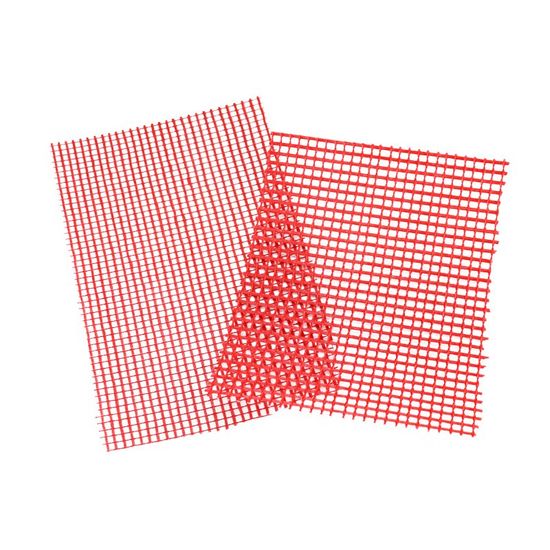


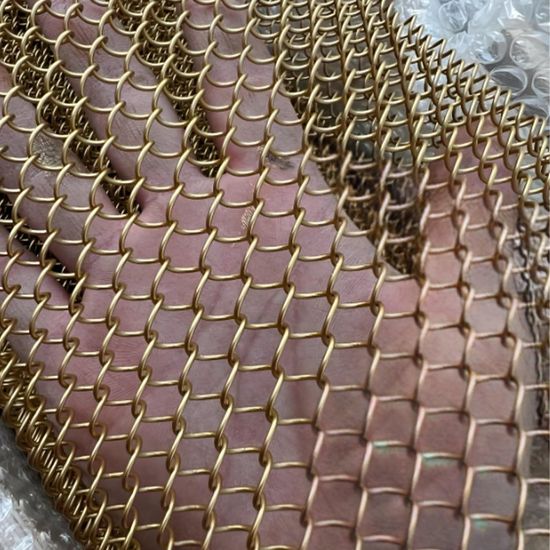


Selecting the correct material is critical for durability and aesthetics. For indoor decorative partitions, Aluminum alloy is preferred due to its lightweight nature and wide range of anodized color options. For outdoor architectural facades or industrial filtration, Stainless Steel (304 or 316 grade) is essential to provide superior corrosion resistance and structural integrity against environmental stressors. For budget-sensitive interior projects, flexible carbon steel with a powder-coated finish offers a cost-effective alternative.
Buyers must specify the wire diameter (typically 1.0mm to 3.0mm) and aperture size (mesh opening), as these dictate the mesh's transparency and airflow. Additionally, confirm the coil pitch to ensure the visual density meets design requirements. For safety-critical installations, request the tensile strength report and ensure the mesh meets Class A fire rating standards (non-combustible) to comply with international building codes.
Beyond aesthetics, coil mesh serves as a functional solar shading solution, capable of reducing solar heat gain while maintaining natural ventilation. Ensure the supplier provides custom track systems or hanging hardware that can support the total weight per square meter. For acoustic applications, coil mesh can be integrated with sound-absorbing backings to improve noise reduction coefficients (NRC) in large open spaces like hotel lobbies or airports.
The finish determines the product's lifespan. For metallic finishes, verify the thickness of the electroplating or lacquer layer. Request a Salt Spray Test report (e.g., 48-96 hours) to ensure the coating won't peel or oxidize in humid environments. For colored mesh, ensure UV resistance to prevent fading if the product is exposed to direct sunlight near windows or outdoors.
Always request a pre-shipment inspection (PSI) to verify the mesh uniformity and dimensions. Since coil mesh is flexible, it can easily be stretched; ensure the supplier measures the dimensions in a relaxed state to avoid shortages upon installation. We recommend sourcing through reputable suppliers on Made-in-China.com, utilizing their Audit Reports to verify the factory's actual production capacity and specialized machinery.
Coil mesh is susceptible to deformation under pressure. Insist on hard tube rolling or wooden crate packaging rather than simple plastic wrapping to prevent the mesh from being crushed during sea freight stacking. Clearly define the Incoterms (e.g., CIF or DAP) and ensure the cargo is insured, as specialized architectural mesh can be expensive to replace if damaged during transit.
Verify the correct HS Code (typically under Chapter 73 for steel or 76 for aluminum) to calculate accurate import duties. Be aware of anti-dumping duties that some regions (like the EU or USA) may impose on specific metal products from China. Ensure the supplier provides a Certificate of Origin and a detailed Packing List to facilitate smooth customs clearance and avoid costly port storage fees.
Price in this industry is heavily tied to raw metal market rates. Negotiate a volume-based discount (typically 10-20% for orders over 500 sqm) but remain wary of prices significantly below market average, as this often indicates recycled low-grade alloys. For long-term projects, try to lock in a price based on a pro-forma invoice with a specific validity period to protect against fluctuating material costs.