
Satisfies 1 requirement
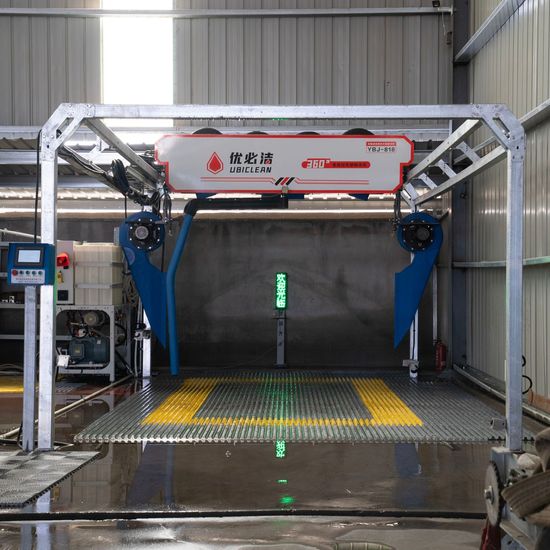
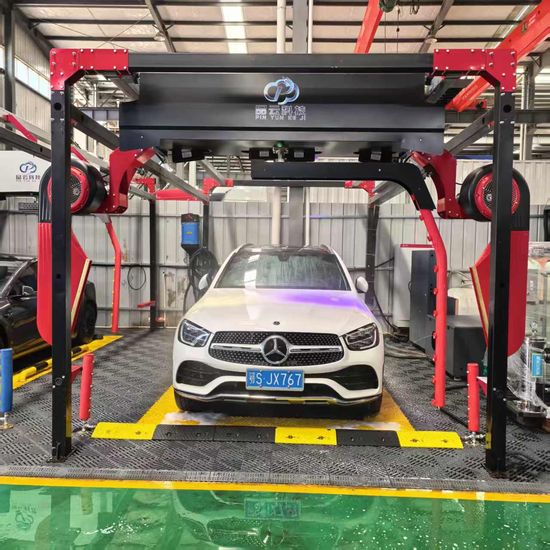
Compact Design Touchless Automatic Car Wash Machine for Limited Space
US$9,998.00
1 Set(MOQ)

I have found results from30000+products and10000+suppliers aboutCompact machine





When selecting a compact machine, the primary focus should be on power-to-size ratio and operational precision. Ensure the machine features a high-torque brushless motor for longevity and CNC-machined internal components for accuracy. For automated environments, verify PLC compatibility and the availability of RS485 or Ethernet/IP interfaces. Always check the IP rating (e.g., IP54 or IP65) to ensure the housing can withstand your specific factory environment, such as dust or moisture exposure.
Compliance is non-negotiable for cross-border trade. For the European market, the machine must carry the CE Mark and comply with the Machinery Directive 2006/42/EC. For North America, look for UL or CSA certification and ensure the electrical components meet NFPA 70 (NEC) standards. Additionally, verify that the supplier provides a Declaration of Conformity and a comprehensive User Manual in English to satisfy customs and safety inspectors.
Request a Mean Time Between Failures (MTBF) report from the manufacturer, which should ideally exceed 10,000 hours for industrial-grade equipment. Ask for a video factory audit or a live demonstration of the machine running at 110% load capacity. It is highly recommended to purchase a prototype unit for a 30-day stress test in your local facility to evaluate heat dissipation and vibration stability before committing to a large-scale order.
Prioritize suppliers that offer a modular design, allowing for the quick replacement of wear parts without specialized tools. Confirm the availability of a spare parts kit (including gaskets, bearings, and fuses) to be shipped with the initial order. Ensure the supplier guarantees technical support response within 24 hours and provides video tutorials for troubleshooting, as on-site international technician visits are often cost-prohibitive.
To mitigate financial risk, utilize Secured Trading Services provided by reputable platforms like Made-in-China.com. Always use Letter of Credit (L/C) or Escrow-based payment terms for large transactions, ensuring funds are only released upon successful third-party pre-shipment inspection. Avoid direct wire transfers to private bank accounts; always verify that the beneficiary name matches the company name on the business license.
Negotiate based on Total Cost of Ownership (TCO) rather than just the unit price. If the Minimum Order Quantity (MOQ) is too high for a trial, propose a staged procurement plan where the first unit is at a sample price, with the difference credited back upon the first bulk order. Leverage seasonal production lulls (typically post-CNY or mid-summer) to negotiate 10-15% discounts or free upgrades on critical components like sensors or controllers.
Compact machines are often dense and sensitive to shock. Insist on vacuum-sealed anti-rust packaging and reinforced wooden crate packing (IPPC heat-treated). Specify the use of shock-absorbent pallets and require the logistics provider to attach 'Tip-N-Tell' or 'ShockWatch' sensors to the crates. This provides irrefutable evidence if the machine was mishandled during sea freight or customs clearance, facilitating insurance claims.
Consult the HS Code (Harmonized System) for your specific machine (commonly under Chapter 84) to determine the import duty rates in your country. Be aware of anti-dumping duties or trade barriers that may apply to specific origins. Work with a licensed customs broker to ensure all documentation, including the Commercial Invoice, Packing List, and Certificate of Origin, is perfectly aligned to avoid costly port storage fees or seizures.