
Satisfies 1 requirement
Mobile DC EV Fast Charger Movable Charging Station for Emergency Use
US$552.24
10 Pieces(MOQ)

I have found results from100000+products and30000+suppliers aboutEmergency mobile charger


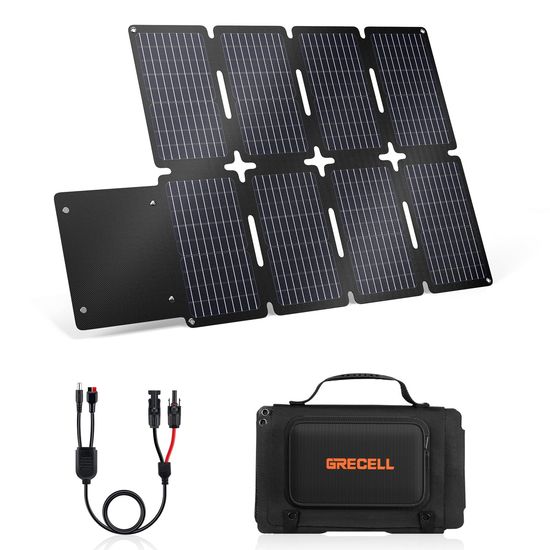


When sourcing emergency mobile chargers, prioritize Battery Capacity (mAh) and Energy Density. For B2B procurement, ensure the units use Grade A Lithium Polymer (Li-Po) cells, which offer better safety and a slimmer profile than 18650 cells. Look for Power Delivery (PD) and Quick Charge (QC) 3.0/4.0 compatibility to ensure the device can provide a rapid charge during emergencies. Additionally, verify the Conversion Rate; high-quality chargers should achieve above 85% efficiency, meaning less energy is lost as heat during the transfer process.
Compliance is non-negotiable for electronic power products. For the US market, UL 2054 or UL 1642 (for battery cells) and FCC certification are required. For the EU, ensure the products carry the CE mark (EMC and LVD directives) and comply with RoHS for hazardous substance restriction. Since these contain batteries, they must have a valid UN38.3 Test Report and a Material Safety Data Sheet (MSDS) to be legally transported via air or sea.
True emergency chargers should include Multi-functional Integrated Tools such as high-lumen LED flashlights with SOS signaling, Solar Charging panels for off-grid replenishment, and IP65 or higher Water/Dust resistance. For industrial or outdoor scenarios, a Ruggedized Shockproof Casing is essential. Furthermore, look for Auto-Power Off functionality and Low Self-Discharge rates, ensuring the device retains its charge even after months of storage in an emergency kit.
Request the supplier's Cycle Life test report; a premium emergency charger should maintain at least 80% capacity after 500 charge cycles. Ask for details on the Protection Circuit Board (PCB), which must include safeguards against over-charge, over-discharge, over-voltage, and short-circuits. If sourcing from Made-in-China.com, prioritize Audited Suppliers who can provide video proof of Drop Tests and High-Temperature Aging Tests conducted in their QC labs.
Emergency chargers are classified as Class 9 Dangerous Goods due to their lithium content. You must ensure the supplier uses UN-rated packaging to prevent short circuits or thermal runaway during transit. Shipping costs for batteries are higher, so it is often more cost-effective to ship via Sea Freight (LCL/FCL) for large volumes, provided you have the necessary Dangerous Goods (DG) declarations. Always confirm if the supplier can provide DDP (Delivered Duty Paid) terms if you lack a specialized customs broker.
Utilize Secure Payment Services provided by reputable platforms like Made-in-China.com to protect your funds until the goods are shipped. Before full payment, hire a Third-Party Inspection service (like SGS or Intertek) to perform a pre-shipment inspection. Focus on Capacity Verification (testing if a 10,000mAh battery actually holds that charge) and Safety Labeling to avoid customs seizures due to counterfeit or non-compliant markings.
Do not just negotiate on the unit price; negotiate on the Component Quality. Ask for a breakdown of the Battery Cell Brand (e.g., ATL, Lishen) and the IC Chipset. You can often secure a 3-5% discount by increasing the order to meet the supplier's Raw Material Purchase Tier. Additionally, request a 1-2% spare parts allowance (extra units or cables) instead of a direct price cut, which provides better value for handling potential RMAs (Return Merchandise Authorizations).