
Satisfies 1 requirement
Probiotics Lactobacillus Powder Animal Feed Additive Kinds of Fish Shrimp Prawn
US$2.00-8.00
1 kg(MOQ)

I have found results from60000+products and10000+suppliers aboutFish additive


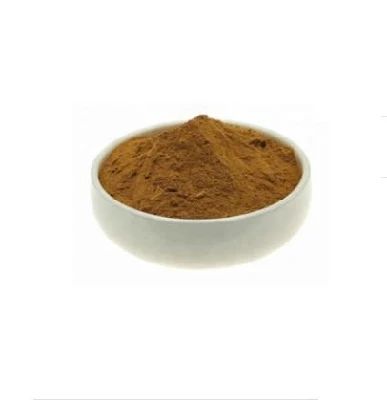

Fish additives are generally categorized into Nutritional Additives (vitamins, amino acids, minerals), Zootechnical Additives (probiotics, enzymes to improve digestibility), and Sensory Additives (flavorings, pigments like astaxanthin). For commercial aquaculture, prioritize growth promoters and immune boosters that reduce mortality rates and improve the Feed Conversion Ratio (FCR).
Suppliers must provide GMP+ (Good Manufacturing Practices) or ISO 22000 certifications to ensure feed safety. Depending on the destination country, you may require HACCP certification, a Certificate of Analysis (COA) for every batch, and compliance with local agricultural department registrations (such as FDA in the US or EFSA regulations in the EU) regarding prohibited substances like certain antibiotics.
Request stability test reports to ensure the active ingredients remain potent after the pelleting process (high heat/pressure). It is critical to verify the bioavailability of the ingredients; for instance, chelated minerals often offer better absorption than inorganic salts. Always ask for third-party lab results confirming the concentration of active compounds matches the specification sheet.
Additives, especially probiotics and vitamins, are sensitive to oxidation, light, and moisture. Ensure the supplier uses multi-layer aluminum foil bags or vacuum-sealed UV-protected packaging. Storage instructions must specify cool, dry conditions (below 25°C), and the shelf life should ideally be 18 to 24 months from the production date.
Implement a pre-shipment inspection (PSI) through agencies like SGS or Intertek. Use Trade Terms that allow for independent sampling at the loading port. For high-value additives like pure taurine or astaxanthin, never pay the full balance until a random sample from the batch has been verified against the agreed-upon COA (Certificate of Analysis).
Focus on long-term volume commitments rather than one-off purchases to secure 'Factory Price' levels. When sourcing via Made-in-China.com, look for Audited Suppliers to ensure they have physical production lines. Negotiate for free replacement of goods if the moisture content exceeds the agreed percentage upon arrival, as excess moisture can lead to mold and product degradation.
Ensure the supplier provides a Material Safety Data Sheet (MSDS) and a Non-Dangerous Goods Certificate to avoid shipping delays or hazardous material surcharges. Check the HS Code (typically Chapter 23 or 29) against your country's tariff schedule to calculate anti-dumping duties or specific import taxes that may apply to feed-grade chemicals.
Utilize secure payment escrow services provided by reputable platforms like Made-in-China.com to ensure funds are only released upon proof of shipment (Bill of Lading). For large-scale enterprise orders, consider using a Letter of Credit (L/C) to protect both parties against non-performance and financial volatility.