

Frame triangle house
I have found results from7000+products and2000+suppliers aboutFrame triangle house
Commonly Used:
US$
—
Customization Available
Sample Available
Manufacturer First
Product Attributes:
Type: Row Villa
Type: Detached Villa
Application: Hotel
Fast Installation: Fast Installation
Feature: Earthquake Resistant
Material: Sandwich Panel
Architecture: Modern Style
Certificate: CE
Application: Villa
Application: Office
Application: Apartment
Application: Residential Hostel
Fast Installation: Standard Installation
Feature: Easily Movable
Feature: Eco-Friendliness
Feature: Flexibly Combinable
Feature: Leak Proof
Feature: Moisture Proof
Feature: Thermal Insulation
Feature: Waterproof
Feature: Wind Resistance
Feature: Safe
Material: Container
Material: Steel Structure
Certificate: ISO
Certificate: UL

Satisfies 1 requirement
Triangular Modern Hotel Resort Luxury a Frame House Modular Tiny Triangle House
US$3,121.00-4,700.00
1 Set(MOQ)

Satisfies 1 requirement
Triangular Living Home Luxury Guesthouse Hotel Modular Prefab Villa a Frame Triangle House
US$3,221.00-4,800.00
1 Set(MOQ)

Satisfies 1 requirement
Wholesales Steel Frame Structure Quickly Assemble 2 Story Triangle Roof Container House Labor Camp
US$1,000.00-2,000.00
8 units(MOQ)

Satisfies 1 requirement
Chile Prefab Home Modular a-Frame Luxury Prefabricated Wood Hotel a Frame Triangle House
US$6,000.00-22,000.00
1 Set(MOQ)

Satisfies 1 requirement
Wholesales Steel Frame Structure Quickly Assemble 2 Story Triangle Roof Container House Labor Camp
US$850.00-1,000.00
1 Piece(MOQ)

Satisfies 1 requirement
China Hot Selling Modern Tiny Prefab Small Modular Luxury Triangle a Frame Container House
US$900.00-1,100.00
1 Piece(MOQ)

Satisfies 1 requirement
Modern Coastal Triangle/"a" Frame Holiday House Steel Frame Minimalist Seaside Retreat
US$6,800.00-35,000.00
1 Set(MOQ)

Satisfies 1 requirement
Detachable Modular a Frame House Prefabricated Wooden-Style Triangle Houses Low Cost Kit Homes with Fast Installation for Eco-Resort & Glamping Project
US$390.00-409.00
20 Square Meters(MOQ)

Satisfies 1 requirement
Outdoor Luxury Steel Structure Camping House Hotel 20FT 40FT Prefabricated a Frame Triangle Wooden-Style House for Commercial Rental Accommodation
US$390.00-409.00
20 Square Meters(MOQ)

Satisfies 1 requirement
Triangle House Prefab Wooden-Style Cabin Insulated a Frame Villa for Mountain Resort Hospitality Projects
US$390.00-409.00
20 Square Meters(MOQ)

Satisfies 1 requirement
Easy to Install Luxury Modern Mobile Steel Structure a-Frame Small Tiny Prefabricated Movable Triangle Houses for Glamping
US$18.00-30.00
1 Square Meter(MOQ)

Satisfies 1 requirement
Practical Portable Outdoor Modular Luxury Modern Design Mobile Steel Structure a-Frame Small Living Tiny Triangle Houses for Living
US$18.00-30.00
1 Square Meter(MOQ)

Satisfies 1 requirement
Elegant Design Modern Mobile Steel Structure a-Frame Small Prefabricated Living Tiny Triangle Houses for Villa
US$18.00-30.00
1 Square Meter(MOQ)

Satisfies 1 requirement
Portable Outdoor Modular Luxury Modern Mobile a-Frame Tiny Triangle Wooden House for Prefabricated Building Villa Home
US$15.00-65.00
1 Square Meter(MOQ)

Satisfies 1 requirement
a Frame Container House Modern Luxury Triangle Prefab Resort Holiday Hotel Cabin
US$5.00-40.00
1 Square Meter(MOQ)

Satisfies 1 requirement
Best Prefab House Company Luxury Frame Triangle House Country Container
US$5.00-40.00
1 Square Meter(MOQ)

Satisfies 1 requirement
a-Frame Triangle Cabin House for Permaculture Farm Stay Pod
US$9,600.00-10,000.00
1 Set(MOQ)

Satisfies 1 requirement
Luxury Frame Tiny House Triangle a Frame House Prefab Villa Heat-Insulated Portable Casa Contenedor Modular Homes Prefabricated House
US$2,500.00-5,999.00
1 Set(MOQ)

Satisfies 1 requirement
Hot Selling a-Frame Triangle Prefab House Resort Holiday Beautiful for Apartment
US$12,975.00-13,500.00
1 Set(MOQ)
Satisfies 1 requirement
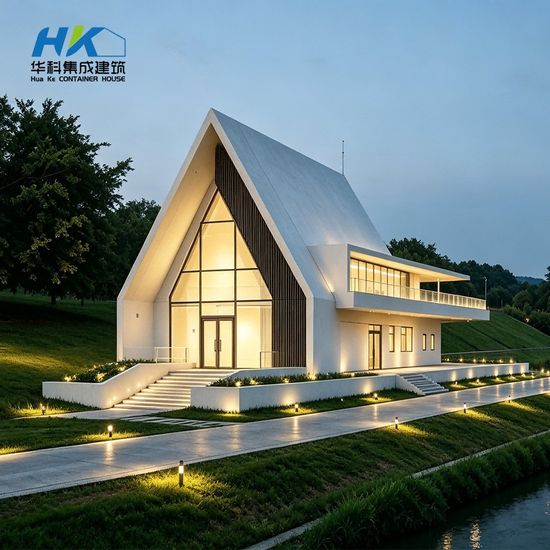
Modern Luxury Design High-Quality Steel Structure Triangle House Modular a-Frame Tiny Outdoor Villa Camping Prefab Building Container House
US$20,000.00-28,000.00
1 Piece(MOQ)

Satisfies 1 requirement
Modern Luxury Design High Quality Steel Structure Triangle House Modular a-Frame Tiny Outdoor Villa Camping Prefab Building
US$358.00-428.00
30 Square Meters(MOQ)

Satisfies 1 requirement
Light Steel Prefab Tiny House a-Frame Triangle Gable End Glazing Mezzanine Bedroom Cabin Modular Cabin Kit Prefabricated House
US$358.00-428.00
30 Square Meters(MOQ)

Satisfies 1 requirement
Modular Triangular Casas Modern Triangle Roof Prefab Steel Frame Houses
US$30,000.00-36,000.00
1 Piece(MOQ)

Satisfies 1 requirement
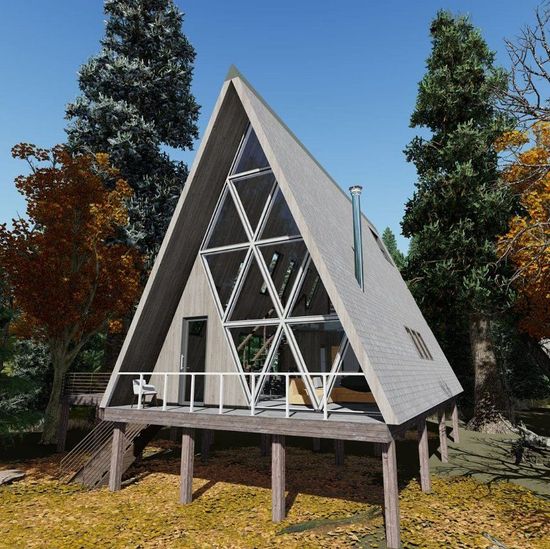
Luxury Frame Tiny House Triangle a Frame House Prefab Villa Heat-Insulated Portable Casa Contenedor Modular Homes Prefabricated House
US$6,999.00-7,599.00
2 Sets(MOQ)
Satisfies 1 requirement
Custom Prefabricated Building Rainproof a-Frame Small House Triangle House with Balcony
US$200.00-285.00
100 Square Meters(MOQ)

Satisfies 1 requirement
a-Frame Moduar Triangle Prefab Two-Story House Resort Holiday Beautiful Wooden/Steel Modern Villa
US$200.00-285.00
100 Square Meters(MOQ)

Satisfies 1 requirement
Cheap a-Frame Triangle Prefab House Pointed Roof Flat Pack Home Apartment Hotel
US$200.00-285.00
100 Square Meters(MOQ)

Satisfies 1 requirement
a-Frame Triangle Prefab House Resort Holiday Beautiful Wooden Prefabricated Tiny Villa
US$200.00-285.00
100 Square Meters(MOQ)

Satisfies 1 requirement
Hot Selling Wholesale Wood Hanging Birdcage House a-Frame Triangle House Tiny House Custom
US$3,500.00-6,500.00
1 Piece(MOQ)
Sourcing guidance for Frame Triangle House
What are the key structural specifications to consider when sourcing a Frame Triangle House?
When evaluating an A-frame prefab house, the structural integrity of the main frame is paramount. Ensure the supplier uses hot-dip galvanized steel or Q235/Q345 carbon steel for the skeleton to prevent rust and corrosion. For the exterior, sandwich panels (EPS, Rock Wool, or PU) are standard; however, Polyurethane (PU) provides the best thermal insulation. Additionally, verify that the floor loading capacity is at least 2.0kN/m² and the structure is rated for wind resistance up to Grade 10 or 11.
How do I ensure the house meets international building and safety standards?
Compliance is critical for cross-border procurement. You must confirm the product adheres to ISO 9001 for manufacturing quality and CE certification for the European market or ASTM standards for North America. Specifically, check for fire resistance ratings (Class A) for insulation materials and electrical compliance (UL or SAA) for pre-installed wiring and sockets. Always request structural calculation reports to ensure the design can withstand local snow loads, especially for the steep-pitched A-frame design.
What customization options should I discuss with the manufacturer?
Most professional suppliers on Made-in-China.com offer modular flexibility. You should inquire about internal layout modifications, such as adding a loft or changing bathroom placement. Discuss glazing options, prioritizing double-glazed tempered glass with Low-E coating to improve energy efficiency. Furthermore, confirm if the supplier can provide integrated solar power systems or smart home features to increase the property's market value.
What is the typical assembly process and technical support provided?
Prefab triangle houses are designed for rapid deployment. A standard 30sqm unit should take 2-3 skilled workers about 3-5 days to assemble. Ensure the supplier provides a detailed 3D installation manual and video tutorials. Top-tier manufacturers offer online technical guidance via video call or can even dispatch an engineer for large-scale resort projects. Confirm that all components are numbered according to the packing list to avoid confusion on-site.
Cross-Border Procurement & Logistics Strategy
What are the primary risks when importing prefab houses and how can I mitigate them?
The biggest risks are shipping damage and missing components. To mitigate this, insist on professional sea-worthy packaging (steel pallets or reinforced wooden crates). Use Third-Party Inspection services (like SGS or Intertek) to conduct a Pre-Shipment Inspection (PSI) to verify the quantity and quality of every bolt and panel against the Proforma Invoice.
How should I handle shipping and customs for such large-scale items?
Frame Triangle Houses are typically shipped in 40HQ (High Cube) containers. It is more cost-effective to use FOB (Free On Board) terms if you have a reliable freight forwarder, or CIF (Cost, Insurance, and Freight) if you want the supplier to handle the risk until the port of destination. Ensure the supplier provides a Certificate of Origin to help you benefit from potential preferential tariff rates under trade agreements.
What are the best practices for payment and transaction security?
For high-value industrial orders, never pay 100% upfront. The industry standard is a 30% deposit and 70% balance payment against the Bill of Lading (B/L) copy. Utilize the Secured Trading services on Made-in-China.com to protect your funds. This ensures that payment is only released to the supplier once you have confirmed the shipment has been dispatched according to the contract.