
Satisfies 1 requirement
Chinese Factory Glass Fiber Fiberglass Chopped Strand Mat Roll Sj-Fiberglass
US$0.10-10.00
1 Square Meter(MOQ)

I have found results from10000+products and5000+suppliers aboutGlass fiber chopped


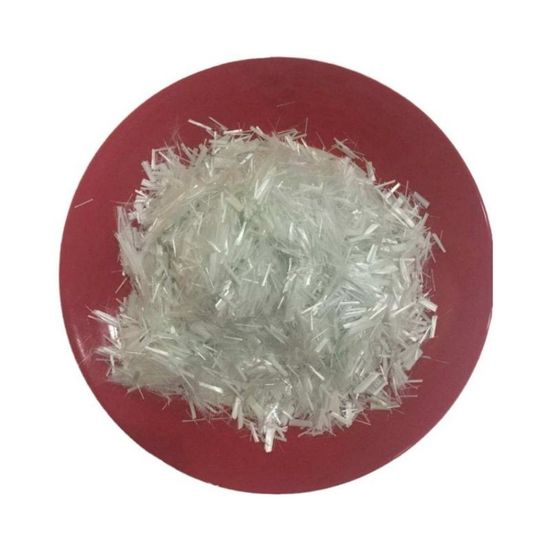


Buyers must prioritize the chopped length (typically ranging from 3mm to 50mm) and the filament diameter (usually 9μm to 13μm) to ensure compatibility with the matrix material. Additionally, the sizing (coupling agent) is critical; you must specify whether it is compatible with thermoplastics (like PA, PP, PBT) or thermosetting resins (like epoxy, polyester, or phenolic) to ensure optimal mechanical bonding and reinforcement.
Ensure the supplier provides ISO 9001:2015 certification for quality management. For specific applications, verify compliance with REACH and RoHS standards to ensure the absence of hazardous substances. Request a Certificate of Analysis (COA) for every batch, focusing on moisture content (should be <0.1%) and loss on ignition (LOI), which indicates the amount of sizing applied to the fibers.
Glass Fiber Chopped is primarily used for reinforcing plastics, friction materials (like brake pads), and construction materials (like GRC - Glass Fiber Reinforced Concrete). For construction, Alkali-Resistant (AR) glass fiber is mandatory to prevent degradation in cement. For automotive or electronic parts, high tensile strength, impact resistance, and thermal stability are the primary functional requirements.
High strand integrity (dry flow) is essential for automated feeding systems to prevent clogging, while good dispersibility is required during the mixing phase to ensure the fibers spread evenly within the resin. If the fibers 'fuzz' too much, it can lead to structural weaknesses and poor surface finish in the final molded product.
The biggest risk is moisture absorption, which can ruin the sizing and prevent the fiber from bonding with resin. Ensure the supplier uses vacuum-sealed plastic bags or moisture-proof pallets with heavy-duty shrink wrap. Additionally, because glass fiber is heavy but relatively low-value, sea freight is the most economical method, but you must account for longer lead times and potential port congestion.
Focus on tiered pricing based on annual volume rather than a single spot buy. Ask for free samples (typically 1-5kg) to conduct lab testing before committing to a full container. Negotiate payment terms such as 30% deposit and 70% against the Bill of Lading (B/L) to mitigate financial risk, and always use Trade Resources or third-party inspection services offered through the platform.
Always verify the supplier's Audited Supplier status on Made-in-China.com to ensure they have a physical factory and verified production capacity. Avoid making payments to personal bank accounts; ensure the account name matches the company name on the business license. Request a video audit of the production line to confirm they are a manufacturer and not a small trading company with no quality control.
Check for anti-dumping duties on glass fiber products originating from certain regions, as these can significantly increase your Total Cost of Ownership (TCO). Ensure the HS Code (typically 7019.11) is correctly declared on all customs documentation to avoid fines or delays during the import process in your destination country.