
Satisfies 1 requirement
Model 4025clz Extruded Observation Window Aluminum Profile Panel Glazing Opening
US$3.20-4.00
1,000 kg(MOQ)

I have found results from100000+products and40000+suppliers aboutGlazing profile


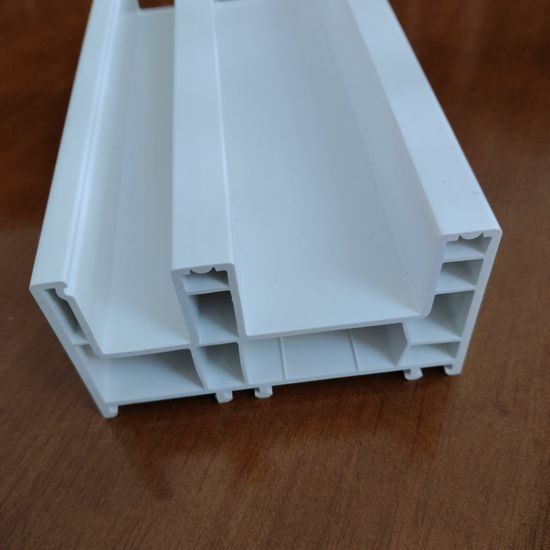


The choice of material directly impacts durability and thermal performance. Aluminum profiles are preferred for high-rise buildings due to their strength-to-weight ratio and resistance to corrosion, especially when powder-coated or anodized. For superior thermal insulation, ensure the profiles feature a polyamide thermal break, which significantly reduces heat transfer. PVC profiles are more cost-effective and offer excellent U-value performance for residential projects, while EPDM rubber gaskets are essential for ensuring a watertight seal and long-term weather resistance.
To ensure safety and structural integrity, profiles must meet specific regional standards. For the European market, look for CE Marking and compliance with EN 12020-2 (for aluminum extrusions). For North America, verify AAMA (American Architectural Manufacturers Association) certification. Additionally, ensure the manufacturer follows ISO 9001 for quality management and that the surface treatments comply with Qualicoat or Qualanod standards to guarantee finish longevity against UV radiation and salt spray.
Technical compatibility is critical for installation success. The wall thickness (typically ranging from 1.2mm to 3.0mm) determines the structural load-bearing capacity; thinner profiles may fail under high wind pressure. The glazing pocket width must be matched to the intended glass thickness (e.g., 24mm for double glazing or 32mm+ for triple glazing). Buyers should request CAD/BIM drawings from suppliers on Made-in-China.com to verify that the profile geometry aligns with the specific hardware and glass units being used.
Glazing profiles are long and susceptible to bending or surface scratching. Require the supplier to use protective PE film on all visible surfaces and pack the profiles in reinforced wooden crates or steel racks rather than simple bundles. Specify FCL (Full Container Load) shipping whenever possible to minimize handling, and ensure the contract includes a quality claim clause for any structural deformation exceeding 0.5% of the length.
Focus on the aluminum ingot price index (such as the Shanghai Metals Market) to understand base material costs. Negotiate based on price per ton for large volumes, but clarify if the price includes surface treatment and fabrication (cutting/punching). For custom extrusions, discuss the die/mold cost; many suppliers on Made-in-China.com will refund the mold fee once the cumulative order volume reaches a certain threshold (e.g., 5 to 10 tons).
Always utilize secured payment terms and consider using third-party inspection services (like SGS or Intertek) to conduct a Pre-Shipment Inspection (PSI). The inspector should verify the alloy grade (e.g., 6063-T5) using a spectrometer and check the coating thickness with a micron gauge. Never release the final 70% balance payment until the inspection report confirms that the goods meet the agreed-upon technical specifications and tolerances.