
Satisfies 1 requirement
Scb10 2500kVA Industrial Use 440V Three-Phase Frequency 50Hz/60Hz Distribution Systems Dry-Type Mv Hv Power Transformer
US$250.00-18,000.00
1 pieces(MOQ)

I have found results from100000+products and60000+suppliers aboutIndustrial three-phase transformer

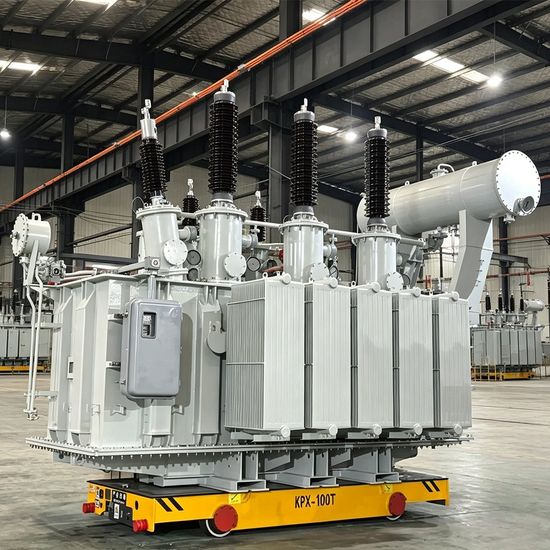


Buyers must prioritize Rated Capacity (kVA), Primary and Secondary Voltage levels, and Vector Group configuration (e.g., Dyn11 vs. Yyn0). It is essential to verify the insulation class (Class H or F is standard for industrial use) and the cooling method, such as ONAN (Oil Natural Air Natural) for outdoor units or AN (Air Natural) for dry-type indoor transformers. Ensure the impedance voltage aligns with your system's short-circuit current requirements to maintain grid stability.
For European markets, CE marking and compliance with IEC 60076 standards are mandatory. For North American exports, look for UL listing or CSA certification, and ensure the unit meets IEEE/ANSI C57 standards. Additionally, verify that the manufacturer adheres to ISO 9001 for quality management and ISO 14001 for environmental safety, especially regarding oil-filled units.
Focus on the No-load loss (iron loss) and Load loss (copper loss) data. High-efficiency transformers using amorphous alloy cores can reduce energy waste by up to 70% compared to traditional silicon steel cores. While the initial purchase price may be higher, the Total Cost of Ownership (TCO) over a 20-year lifespan is significantly lower due to reduced operational electricity costs.
Industrial transformers are used in manufacturing plants, data centers, and renewable energy sites. For harsh environments, specify IP54 or higher enclosures to protect against dust and moisture. If the installation site is at a high altitude (above 1000m) or in a high-humidity tropical zone, you must request de-rating adjustments or specialized anti-corrosion coatings from the supplier.
Always utilize Trade Terms that include third-party inspections (such as SGS or Intertek) before final payment. For high-value items like transformers, use Letter of Credit (L/C) or secure payment services provided by reputable platforms like Made-in-China.com to ensure funds are only released upon proof of shipment and quality compliance.
Negotiate based on raw material price indexing, as the cost of copper and cold-rolled grain-oriented (CRGO) steel fluctuates. Request a breakdown of the BOM (Bill of Materials) to ensure the supplier isn't using aluminum windings instead of copper to cut costs. Aim for a warranty period of at least 24 to 36 months for industrial-grade equipment.
Transformers are heavy and sensitive to impact. Ensure the contract specifies seaworthy vacuum packaging and the use of impact recorders (G-force sensors) on the crates. For oil-filled transformers, confirm if they are shipped with or without oil; shipping without oil reduces weight but requires nitrogen filling to prevent internal oxidation during transit.
Verify the HS Code (typically 850433 or 850434) to calculate accurate import duties and Anti-Dumping Duties (ADD) that may apply in your region. Ensure the supplier provides a Certificate of Origin to take advantage of any Free Trade Agreements (FTAs) that could reduce your tax burden.