
Satisfies 1 requirement
3 Phase 380V 11kw-15kw V/F & Vector Control Frequency Inverter for Plastic Extruder
US$159.00-199.00
1 PC(MOQ)

I have found results from90000+products and40000+suppliers aboutInverter for extruder machine


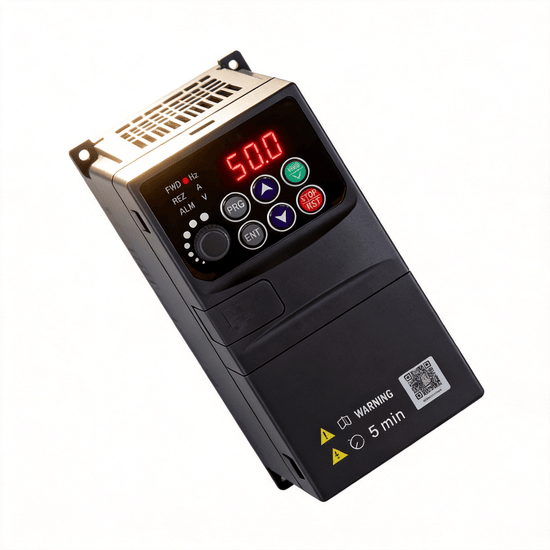


For extruder applications, you must prioritize Heavy-Duty (G-type) inverters rather than light-duty ones. Key specs include High Starting Torque (at least 150% at 0.5Hz) to overcome the resistance of cold materials in the screw, and Vector Control (Sensorless or Closed-loop) to ensure stable speed under varying load pressures. Ensure the power rating matches or slightly exceeds the motor's Rated Current to handle potential overloads during the extrusion process.
A high-quality inverter utilizes Variable Frequency Drive (VFD) technology to adjust motor speed based on real-time production needs, typically resulting in 20-50% energy savings. It provides essential protection features such as Overcurrent, Overvoltage, and Phase-loss protection, which prevents motor burnout. Additionally, the Soft Start function reduces mechanical stress on the extruder's gearbox and screw, extending the equipment's lifespan.
To ensure seamless integration with the extruder's PLC (Programmable Logic Controller) and HMI, the inverter should support standard protocols like Modbus-RTU, PROFIBUS-DP, or CANopen. Look for units with multiple I/O terminals (Analog and Digital) to allow for precise pressure feedback loops, which are critical for maintaining consistent product thickness and quality.
The inverter must hold CE certification for European markets or UL listing for North America. Given the dusty and high-temperature environment of plastic/rubber extrusion, an IP20 or higher protection rating is required, along with an independent cooling duct design to prevent carbonized dust from accumulating on the internal circuit boards.
Prioritize suppliers with the 'Audited Supplier' badge, which indicates their business license and production capabilities have been verified by third-party agencies like SGS or Bureau Veritas. Request a factory video tour or a live demonstration of the inverter running under load. Check their Export Experience to see if they have previously shipped to your specific region, ensuring they understand local voltage requirements (e.g., 380V vs 480V).
The primary risks include damage during transit and technical incompatibility. To mitigate these, insist on Sea-worthy/Air-worthy professional packaging (anti-static bags + reinforced wooden crates). Use Secured Payment services provided by Made-in-China.com to ensure funds are only released after proof of shipment. Always request a Parameter Backup or a pre-configured settings file from the supplier based on your motor's nameplate.
Negotiate based on Total Cost of Ownership (TCO) rather than just the unit price. Ask for spare parts kits (such as cooling fans and capacitors) to be included in the bulk price, as these are wear items. For orders exceeding 50 units, aim for a 10-15% volume discount and negotiate for an extended warranty period (e.g., 18 to 24 months) to cover the duration of international shipping and installation.
Inverters contain large capacitors and electronic components; ensure the supplier provides the MSDS (Material Safety Data Sheet) if required by the carrier. For shipping to your country, clarify the HS Code (typically 850440) to calculate import duties accurately. Choose Incoterms like CIF or DAP if you want the supplier to handle the main transit, but ensure you have a local customs broker to manage the final clearance and VAT payments.