
Satisfies 1 requirement
LED Magnetic Track Light Watch Counter Display Cabinet Light for Jewelry Showcase
US$7.50-12.50
5 Pieces(MOQ)

I have found results from50000+products and10000+suppliers aboutJewelry display light


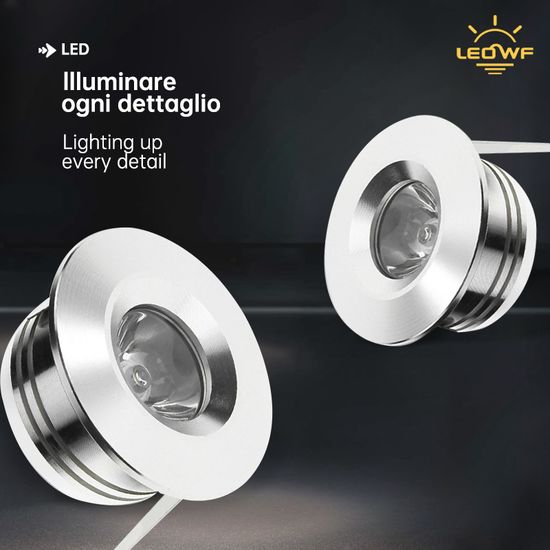


The most critical factor is the Color Rendering Index (CRI), which should be Ra>90 or Ra>95 to ensure the true colors of gemstones and metals are represented. Additionally, Color Temperature (CCT) must be matched to the material: 5500K-6500K (Cool White) is ideal for diamonds and silver to enhance brilliance, while 2700K-3500K (Warm White) is preferred for gold and jade to highlight richness. Ensure the use of COB (Chip on Board) LEDs to minimize multiple shadows and provide a clean, focused beam.
For cross-border procurement, verify that the products carry CE, RoHS, or UL certifications depending on your target market (EU or North America). Since these lights are often integrated into showcases, they must have low heat emission to prevent damage to sensitive gems like pearls or opals. Look for LVD (Low Voltage Directive) compliance, typically using DC12V or DC24V systems, which are safer for retail environments and easier to maintain.
Prioritize modular designs and adjustable beam angles (typically 15° to 45°) to allow for flexibility when changing display layouts. For high-end showcases, telescopic or rotatable poles are essential. Ensure the power supplies (drivers) are flicker-free to prevent eye strain for customers and to ensure high-quality photography for social media marketing.
The main risks include luminous decay (quality fade) and driver failure. To mitigate this, request LM-80 test reports for the LED chips and ensure the supplier uses branded drivers (e.g., Mean Well or Lifud). Always use Made-in-China.com's Secured Trading services to protect your payment until the goods are verified against your technical specifications.
Negotiate for a 3 to 5-year warranty rather than the standard 1-year. Request a 2% spare parts allowance for drivers and LED modules to handle immediate replacements without international shipping delays. For bulk orders, insist on a Pre-shipment Inspection (PSI) where a third party tests the CRI and CCT consistency across the entire batch.
Jewelry lights often involve slim aluminum profiles or glass lenses. Require reinforced 5-layer corrugated outer cartons and customized EPE foam internal packaging. For air freight, ensure the volumetric weight is optimized; for sea freight, confirm the use of desiccants inside the containers to prevent moisture from affecting the electronic circuits during long transit times.