
Satisfies 1 requirement
Biobase Dubai Small Size Laminar Flow Cabinet Compounding Hood with CE
US$250.00-330.00
1 Piece(MOQ)

I have found results from20000+products and10000+suppliers aboutLaminar flow hood


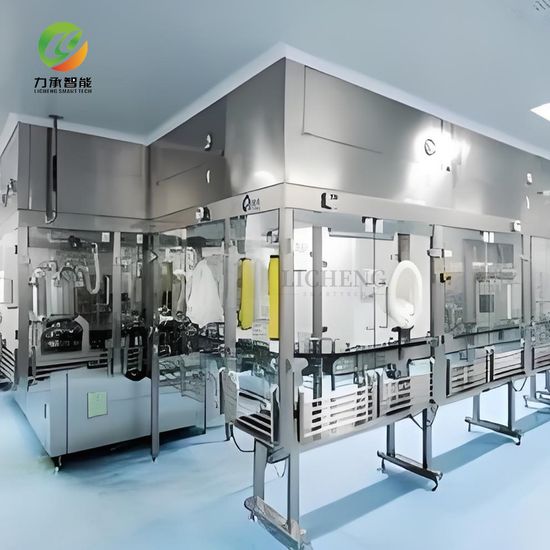


Selecting between Horizontal and Vertical airflow depends on your specific application. Horizontal Flow Hoods are ideal for applications where the sample is sensitive and requires the cleanest air first, as the air flows from the back toward the operator; however, they should not be used with hazardous materials. Vertical Flow Hoods are better for larger equipment on the work surface that might block horizontal air, and they offer better protection for the operator if the unit is a Class II Biosafety Cabinet type.
You must ensure the unit is equipped with a HEPA filter (High-Efficiency Particulate Air) with at least 99.99% efficiency at 0.3 microns, or an ULPA filter for ISO Class 3 environments. Verify that the supplier provides DOP (Dispersed Oil Particulate) testing reports to ensure there are no leaks in the filter seal or media before shipping.
For laboratory and pharmaceutical use, prioritize 304 or 316L Stainless Steel for the interior work zone to ensure corrosion resistance and ease of sterilization. The exterior should be powder-coated cold-rolled steel or stainless steel. Ensure the work surface is seamless to prevent microbial buildup and facilitate easy cleaning with agents like IPA (Isopropyl Alcohol).
Look for units with microprocessor control systems that provide real-time monitoring of airflow velocity (typically 0.3-0.5 m/s). Essential safety features include filter life indicators, UV lamp interlocking systems (to prevent UV exposure while the sash is open), and audible/visual alarms for airflow failure.
Confirm that the manufacturer adheres to ISO 14644-1 standards for cleanroom classification. For medical applications, check for CE marking, EN 12469, or NSF/ANSI 49 certifications. If sourcing for the US market, UL certification for electrical components is highly recommended to ensure local fire safety compliance.
The biggest risk is vibration and impact damage to the sensitive HEPA filters and glass sashes. You must mandate vacuum-sealed moisture-proof packaging and reinforced wooden crate packing (IPPC certified). It is highly recommended to install 'TiltWatch' and 'ShockWatch' sensors on the exterior of the crate to monitor handling during transit.
Utilize Made-in-China.com's Secured Trading services to protect your payment until delivery. Before the final balance payment, hire a third-party inspection agency (like SGS or Intertek) to perform an on-site FAT (Factory Acceptance Test), specifically checking the airflow uniformity and particle count using a calibrated counter.
Focus on the Total Cost of Ownership (TCO) rather than just the unit price. Negotiate for the inclusion of extra HEPA/Pre-filters in the initial shipment, as these are expensive to ship separately later. Ask for a 2-year extended warranty on the blower motor and control board to mitigate the risk of sourcing replacement parts across borders.
Laminar flow hoods may fall under dual-use technology regulations or specific HS Codes (typically 8414.60). Ensure the supplier provides a detailed Commercial Invoice and Packing List that matches the HS code requirements of your country to avoid customs delays or unexpected anti-dumping duties.