
Satisfies 1 requirement
Microfiber Eyeglass Cleaning Cloth Custom Logo Lens Cleaning Cloth for Glasses Camera Lens Screen
US$0.06-0.18
500 Pieces(MOQ)

I have found results from20000+products and6000+suppliers aboutLens cloth


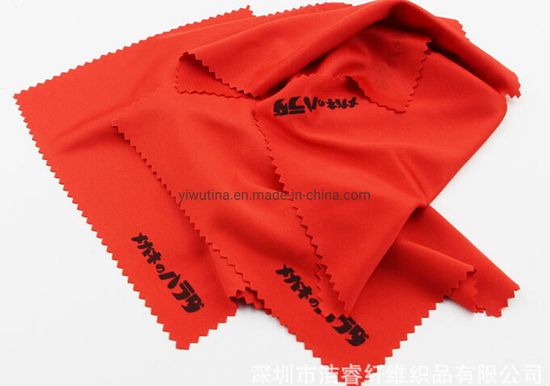


The most critical factor is the material composition, typically a blend of polyester and nylon (polyamide). A standard high-quality ratio is 80/20 or 70/30. You should also verify the GSM (Grams per Square Meter); for professional optical use, a weight of 170-250 GSM is preferred to ensure sufficient thickness and absorption. Additionally, ensure the edges are ultrasonic or laser-cut to prevent fraying and scratching of delicate surfaces.
There are three main types: Plain weave is cost-effective and suitable for general promotional giveaways; Suede-style (brushed) offers a softer touch and is ideal for high-end eyewear; and Double-sided fleece provides maximum absorption for camera lenses and screens. For B2B buyers, microfiber with a high-density knit is essential to ensure the cloth traps dust and oils rather than just pushing them around.
For the EU market, ensure the products are REACH compliant, meaning they are free from harmful chemicals and AZO dyes. For the US market, compliance with California Proposition 65 is often required. If the lens cloths are treated with anti-fog chemicals, you must request a Material Safety Data Sheet (MSDS) to ensure the chemical coating is safe for skin contact and does not damage lens coatings.
Yes, customization is common via silk-screen printing, heat transfer, or digital sublimation. Digital sublimation is recommended for full-color designs as it does not change the texture of the fabric. However, be aware that heavy ink coverage in silk-screen printing can sometimes reduce the cloth's absorbency in the printed area. Always request a pre-production sample to verify color accuracy and fabric integrity.
Implement a strict quality control (QC) protocol by hiring a third-party inspector to perform a water absorption test and a lint-free verification before shipment. On platforms like Made-in-China.com, prioritize suppliers with 'Audited Supplier' status and those who provide detailed ISO 9001 certification to ensure consistent manufacturing processes.
Lens cloths are low-margin items, so volume is your biggest leverage. Negotiate for a tiered pricing structure where the unit price drops significantly at 5,000, 10,000, and 50,000 units. If you require custom packaging (like individual PVC pouches), ask for the packaging cost breakdown separately to see if sourcing the cloth and packaging from the same vendor is truly economical.
Since lens cloths are lightweight but can be bulky in large quantities, sea freight (LCL) is the most economical for bulk orders. However, for smaller trial orders or high-value anti-fog cloths, international couriers (FedEx/DHL) are viable. To optimize costs, request vacuum packaging to reduce the total volume (CBM) of the shipment, which can lower freight charges by up to 20-30%.
Always use secure payment terms such as Letters of Credit (L/C) for large volumes or Escrow-based payment services provided by reputable B2B platforms. Avoid direct wire transfers to private accounts. Ensure the Proforma Invoice (PI) clearly states the GSM, size, and edge-cutting method to provide legal recourse in case of a quality dispute.