
Satisfies 1 requirement
Yangtze 12V 55ah Lithium Ion Phosphate Cell DC UPS
US$140.00-160.00
1 Piece(MOQ)

I have found results from100000+products and20000+suppliers aboutLithium ion ups


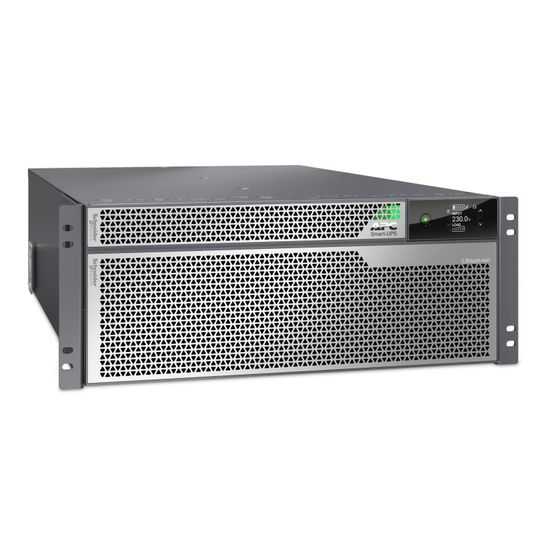


Selecting a Lithium Ion UPS requires balancing power capacity (kVA/kW), battery cycle life, and safety certifications. Unlike traditional lead-acid systems, Li-ion versions offer 3x the lifespan and a smaller footprint. Buyers should prioritize units with a Battery Management System (BMS) that monitors cell voltage and temperature to prevent thermal runaway. Ensure the inverter type (Pure Sine Wave) matches sensitive electronic loads to avoid equipment damage.
For global trade, compliance is non-negotiable. Ensure the product meets UN38.3 for safe transport of lithium batteries and IEC 62619 for industrial safety. For specific markets, look for UL 1973 (North America) or CE/EN 62040 (Europe). Key specs include Depth of Discharge (DoD) of 90% or higher, Energy Density, and Transfer Time (<10ms for sensitive servers). Always request a Material Safety Data Sheet (MSDS) from the supplier before finalizing the order.
While the initial purchase price of Lithium Ion UPS is typically 1.5x to 2x higher than lead-acid, the TCO over 10 years is significantly lower. This is due to zero maintenance requirements, reduced cooling costs (Li-ion operates better at higher temperatures), and the fact that you won't need to replace batteries every 3-5 years. For B2B buyers, this translates to lower operational expenditure (OPEX) and higher reliability.
They are ideal for Edge Computing centers, Medical facilities where space is premium, and Industrial automation where high cycle stability is needed. Because they are lightweight, they are also preferred for telecom base stations and distributed IT environments where floor loading capacity is a concern.
Lithium batteries are classified as Class 9 Dangerous Goods. You must ensure the supplier provides UN-rated packaging and has a valid Dangerous Goods (DG) Certificate. Shipping via Sea Freight (LCL/FCL) is the most economical, but you must confirm the carrier accepts lithium-integrated equipment. Air freight is highly restricted and significantly more expensive due to strict IATA regulations.
Focus on Audited Suppliers who have undergone third-party on-site inspections. Check for Gold Member status and review their export history to your specific region. It is highly recommended to use secured payment services provided by the platform to ensure funds are only released upon proof of shipment. Request a Factory Acceptance Test (FAT) report or a video inspection of the BMS testing phase before the balance payment.
Negotiate based on Battery Cell Grade (Grade A cells are essential) rather than just the final price. Ask for a tiered pricing structure where the unit price drops by 10-15% for container-level volumes. Additionally, negotiate for spare parts (1-2% buffer) such as control boards or fans to be included in the shipment to minimize future downtime.
Verify the HS Code (typically 850440) to determine the exact import duties in your country. Be aware of Anti-Dumping Duties or specific Green Energy incentives that might apply to lithium products. Ensure the Commercial Invoice and Packing List precisely match the battery capacity (Wh) to avoid customs delays or seizures.