
Satisfies 1 requirement
Drying Oven Steel Mesh Teflone Mesh Belt Electric Industrial Tunnel Furnace
US$17,000.00-20,000.00
1 Piece(MOQ)

I have found results from4000+products and1000+suppliers aboutMesh belt continuous furnace


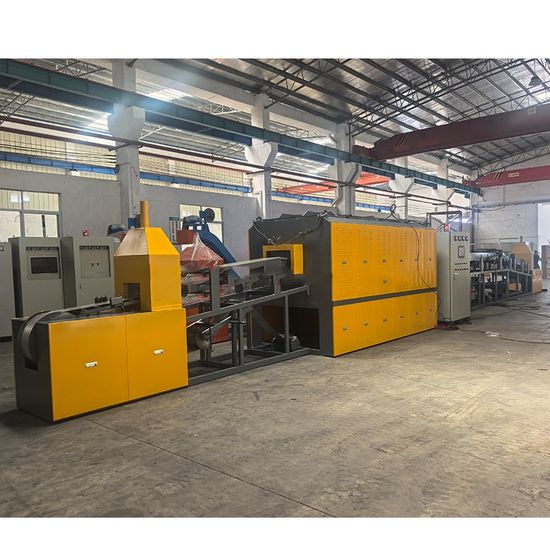
Buyers must prioritize heating zone configuration and temperature uniformity, typically requiring a variance of less than ±5°C. Ensure the mesh belt material is high-grade heat-resistant alloy (e.g., SUS314 or Cr20Ni80) to prevent elongation and oxidation at high temperatures. Additionally, verify the cooling system efficiency (water-cooled or forced air) and the drive system's stability to ensure consistent throughput without belt slippage.
For international trade, the equipment must carry the CE Marking for the European market or meet UL/ASME standards for North America. It is critical to ensure the furnace complies with ISO 9001 for manufacturing quality and ISO 13577 for industrial furnace safety. Specifically, check for automatic gas shut-off valves, over-temperature protection, and emergency stop mechanisms to meet global occupational safety requirements.
The choice between electric heating and gas-fired systems depends on local energy costs and precision requirements. Electric furnaces offer superior temperature control and lower emissions, ideal for high-precision electronics or medical parts. Gas-fired furnaces generally provide lower operational costs for high-volume heat treatment but require more complex exhaust and ventilation systems. A Total Cost of Ownership (TCO) analysis should include energy consumption, maintenance of heating elements, and potential carbon taxes.
These furnaces are optimized for mass production of small to medium-sized parts. Common applications include brazing of automotive heat exchangers, sintering of powder metallurgy parts, bright annealing of stainless steel, and tempering of hardware fasteners. The continuous flow design is essential for industries requiring high repeatability and integration into automated assembly lines.
Utilize third-party inspection services (such as SGS or Intertek) to conduct a Pre-Shipment Inspection (PSI). This ensures the machine's performance matches the technical data sheet. Furthermore, use Made-in-China.com's Secured Trading services to protect payments until the bill of lading is confirmed. Always request a video factory audit to verify the supplier's actual production capacity and technical expertise.
Focus negotiations on after-sales service and spare parts packages rather than just the unit price. Request a 2-year warranty and a comprehensive wear-parts kit (extra mesh belts, heating elements, and thermocouples) included in the initial price. For large-scale equipment, negotiate a milestone-based payment structure (e.g., 30% deposit, 40% after production/testing, 30% after successful installation or arrival).
Mesh belt furnaces are often oversized; ensure the supplier uses Flat Rack or Open Top containers if the dimensions exceed standard 40HQ limits. The equipment must be treated with anti-rust oil and wrapped in vacuum-sealed foil to prevent sea-salt corrosion during transit. Ensure the contract specifies FOB or CIF terms clearly, and mandate that the supplier provides a detailed loading plan to prevent structural damage during crane handling.
Verify the HS Code (typically 841780 for industrial furnaces) to calculate accurate import duties in your country. Check for any anti-dumping duties or specific trade barriers between the shipping origin and destination. It is advisable to consult with a licensed customs broker to ensure all documentation, including the Certificate of Origin, is compliant to leverage potential Free Trade Agreement (FTA) tax exemptions.