
Satisfies 1 requirement
OEM Private Label Multi-Vitamin Gummies Premium Herbal Supplements Multivitamin Gummies
US$1.70-3.00
50 Pieces(MOQ)

I have found results from10000+products and6000+suppliers aboutMultivitamin product


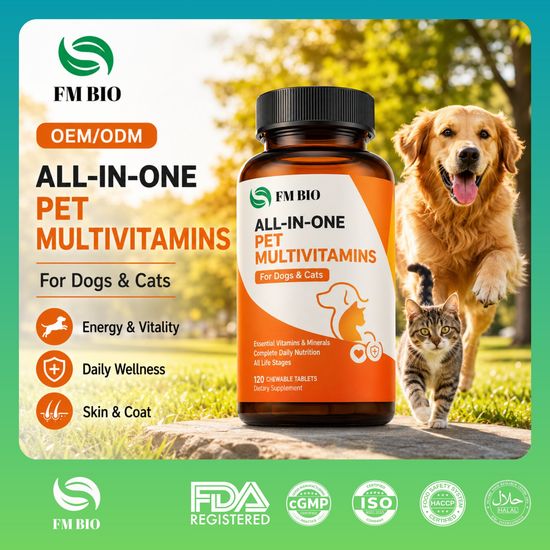


When sourcing dietary supplements, the most critical factor is safety and manufacturing standards. You must prioritize suppliers with GMP (Good Manufacturing Practice) certification, which ensures products are consistently produced and controlled according to quality standards. Additionally, look for ISO 22000 or HACCP for food safety management. If you are targeting the US market, ensure the facility is FDA-registered, and for the EU, check for EFSA compliance. Third-party lab reports (COA - Certificate of Analysis) for each batch are non-negotiable to verify ingredient potency and the absence of heavy metals or contaminants.
Not all vitamins are created equal; their chemical form dictates how well the body absorbs them. For example, Methylcobalamin is the preferred active form of Vitamin B12 compared to Cyanocobalamin. Ensure the supplier uses chelated minerals (like Magnesium Glycinate) for better absorption and reduced gastrointestinal distress. For fat-soluble vitamins (A, D, E, K), inquire if they use liposomal delivery or oil-based capsules to enhance bioavailability. Always request a full ingredient breakdown, including 'other ingredients' to avoid unnecessary fillers like titanium dioxide or artificial colors.
Vitamins are sensitive to light, heat, and moisture. High-quality sourcing requires amber glass bottles or induction-sealed HDPE plastic to protect against UV degradation. Ensure the supplier provides stability testing data to justify the claimed shelf life (typically 24 months). For cross-border logistics, specify the use of desiccants (silica gel packets) inside the bottles and shrunk-wrapped pallets to prevent moisture ingress during sea freight. The labeling must be clear, featuring batch numbers, manufacture dates, and expiration dates in a format compliant with the destination country's regulations.
Professional suppliers on platforms like Made-in-China.com offer extensive OEM services. You can differentiate your brand by requesting demographic-specific formulations, such as high-zinc/saw palmetto blends for men, or folic acid/iron-rich blends for prenatal care. Discuss Minimum Order Quantities (MOQ) for custom formulas, which typically range from 3,000 to 5,000 bottles. Ensure the supplier has an in-house R&D team that can provide technical support for flavor masking (for gummies or powders) and stability of the custom premix.
The biggest risk is regulatory seizure at customs due to prohibited ingredients or non-compliant labeling. Different countries have different 'Upper Limits' (UL) for vitamin dosages; what is a supplement in one country might be classified as a drug in another. To mitigate this, perform a formula review against local health authority databases (e.g., TGA in Australia, FDA in the US) before production. Another risk is ingredient substitution, where premium ingredients are replaced with cheaper alternatives; always use independent third-party inspections (like SGS or Intertek) to pull samples from the production line for testing.
Do not negotiate on price alone, as this often leads to suppliers cutting costs on raw material purity. Instead, negotiate a Quality Assurance Agreement (QAA) that defines specific penalties for batches that fail lab tests. Request tiered pricing based on volume, but link final payment (e.g., the 70% balance) to the successful passing of a pre-shipment inspection. For long-term partnerships, ask for exclusivity on specific custom formulations to protect your market share.
Supplements require a Health Certificate, Phytosanitary Certificate (if plant-based), and a Free Sale Certificate (FSC) for smooth customs clearance. Ensure the HS Code is correctly identified (usually under Chapter 21 or 29) to avoid overpaying duties or misclassification fines. For shipping, avoid 'top-loading' pallets to prevent crushing bottles. If shipping to tropical climates, consider temperature-controlled containers (Reefers) to prevent softgels from melting or clumping together during transit.