
Satisfies 1 requirement
40kw / 50kVA Yanmar Open Frame Power Electricity Diesel Generator Set High Performance Alternator
US$7,047.00
1 Set(MOQ)

I have found results from200000+products and50000+suppliers aboutPower generator alternator
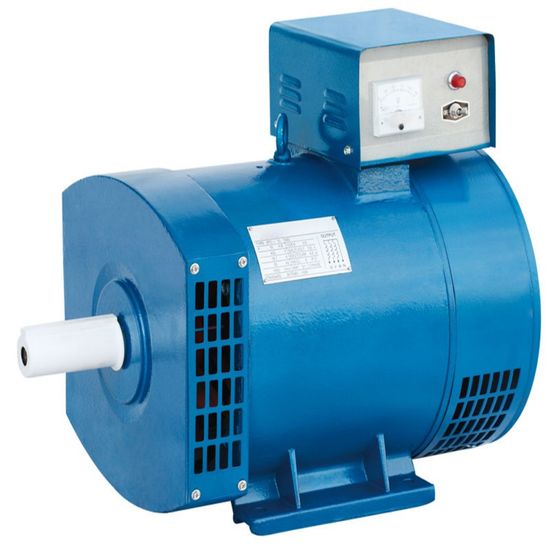


When sourcing alternators, you must prioritize Power Output (kVA/kW) and ensure it matches your prime or standby power requirements. Key technical factors include the Excitation System (choose Permanent Magnet Generator (PMG) for superior motor starting or Shunt/AREP for standard loads), Insulation Class (Class H is the industry standard for high-temperature resilience), and Voltage Regulation Accuracy (look for Automatic Voltage Regulators (AVR) with a precision of ±0.5% to ±1%).
To ensure market entry and safety, verify that the alternator complies with IEC 60034-1 (Rotating electrical machines) and ISO 8528-3. For specific markets, look for CE Marking (Europe), UL/CSA Certification (North America), and SONCAP (Nigeria). Additionally, ensure the Ingress Protection (IP) rating is at least IP23 for standard environments or higher for harsh outdoor conditions.
Focus on the Winding Material, which should be 100% high-grade electrolytic copper rather than aluminum to ensure conductivity and longevity. Check for VPI (Vacuum Pressure Impregnation) treatment on the windings to prevent moisture and chemical erosion. The Bearing Type is also critical; high-quality sealed-for-life bearings reduce maintenance costs and extend the service life of the unit.
Single-bearing alternators are ideal for direct coupling with engines in compact gensets, while two-bearing designs offer more flexibility for belt-driven or specialized industrial setups. For Telecommunications, low electromagnetic interference (EMI) is required; for Data Centers, high-efficiency alternators with low Total Harmonic Distortion (THD < 5%) are essential to protect sensitive electronic equipment.
Always request a Factory Acceptance Test (FAT) report before shipment. For large orders, hire a third-party inspection agency (like SGS or Intertek) to perform a Load Bank Test to verify the alternator reaches its rated capacity without overheating. Using platforms like Made-in-China.com allows you to identify Audited Suppliers whose manufacturing facilities have been physically verified.
Negotiate based on Total Cost of Ownership (TCO) rather than just the unit price. Ask for spare parts kits (AVRs, diodes, and bearings) to be included in the initial bulk price. For long-term partnerships, request a warranty extension to 24 months or 2000 running hours, and clarify the Lead Time for customized windings or non-standard voltages.
Alternators are heavy and sensitive to moisture. Ensure the supplier uses Seaworthy Vacuum Packaging with silica gel desiccant and Reinforced Plywood Crates (IPPC certified). Specify FOB or CIF terms clearly in the contract, and ensure the cargo is insured for its full value to cover potential damage during transit due to vibration or salt-air exposure.
Utilize Secured Payment Services provided by reputable platforms like Made-in-China.com to ensure funds are only released upon proof of shipment. Avoid direct transfers to private accounts; always use Corporate Bank Accounts that match the supplier's registered business name. For high-value orders, a Letter of Credit (L/C) remains the most secure instrument for international trade.