
Satisfies 1 requirement
Haiqin Brand 2.0 Ton (HQ20) with Euro 5 Yanmar Engine Rippa Mini Excavator
US$6,500.00-14,980.00
1 Piece(MOQ)

I have found results from3000+products and1000+suppliers aboutRippa mini excavator


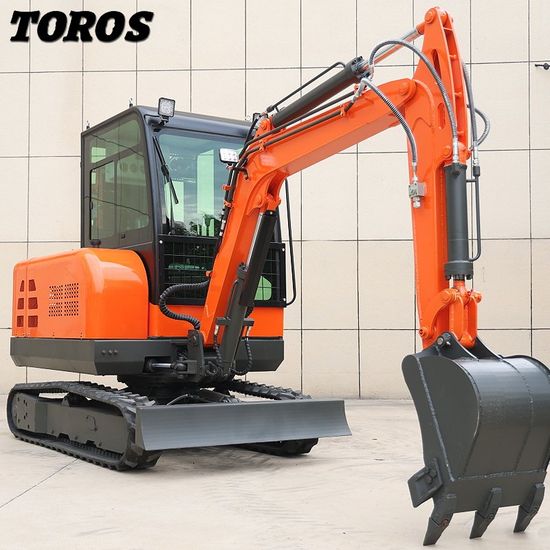
When selecting a Rippa mini excavator, buyers should prioritize the engine brand and emission standards, such as Kubota or Yanmar engines which meet EPA Tier 4 or EU Stage V requirements for international compliance. Key performance metrics include digging depth (typically 1.5m to 2.5m), operating weight (0.8 to 3.5 tons), and hydraulic system pressure. Ensure the model features a swing boom for tight space operations and expandable tracks for enhanced stability on uneven terrain.
Verify that the excavator utilizes high-strength manganese steel for the boom and arm to prevent cracking under heavy loads. It is essential to confirm the presence of TOPS/ROPS (Tip-Over/Roll-Over Protective Structures) certification to ensure operator safety. Additionally, check for integrated hydraulic oil coolers to prevent overheating during prolonged use and reinforced rubber tracks to minimize ground pressure and vibration.
These machines are highly versatile for landscaping, urban infrastructure repair, and agricultural projects such as orchard trenching or greenhouse excavation. For construction rentals, models with quick-hitch systems are preferred, allowing for rapid switching between attachments like augers, hydraulic breakers, rakes, and thumbs, thereby increasing the machine's utility and ROI.
For the European market, a CE Certification is mandatory, along with a Noise Emission Certificate. For the North American market, EPA certification for the engine is the most critical barrier to entry. Buyers should request ISO 9001 quality management documentation from the manufacturer on Made-in-China.com to ensure consistent production standards.
Heavy machinery is prone to rust and physical damage during sea transit. Insist on anti-rust wax coating and seaworthy packaging (such as steel frame crates or professional container lashing). Use FOB or CIF terms to clearly define where the risk transfers, and always secure Marine Cargo Insurance covering 'All Risks' to protect against total loss or salt-water damage.
Focus negotiations on spare parts packages rather than just the unit price; request a 'wear-parts kit' (filters, seals, hoses) for the first 500 hours of operation. For bulk orders exceeding 5 units, aim for a 5-10% discount or the inclusion of free attachments. Verify the supplier's Gold Member status on Made-in-China.com to ensure they have a verified production facility.
Utilize Secured Trading services provided by platforms like Made-in-China.com to hold funds in escrow until shipping documents are uploaded. It is highly recommended to hire a third-party inspection agency (like SGS or Intertek) to perform a Pre-Shipment Inspection (PSI), focusing on hydraulic leak tests and engine load tests before the final balance is paid.
Confirm the warranty period (typically 1-2 years or 2000 working hours) and clarify if it covers both parts and labor or just parts. Ensure the supplier provides English-language technical manuals and video troubleshooting guides. Check if the hydraulic components (valves/pumps) are internationally recognized brands to ensure you can source replacement parts locally if the manufacturer's supply chain is delayed.