
Satisfies 1 requirement
Gympro New Design Wooden Fitnessslant Board, Gym Room Sport Stretching Slant Board
US$9.32-10.30
100 Pieces(MOQ)

I have found results from3000+products and1000+suppliers aboutSlant board


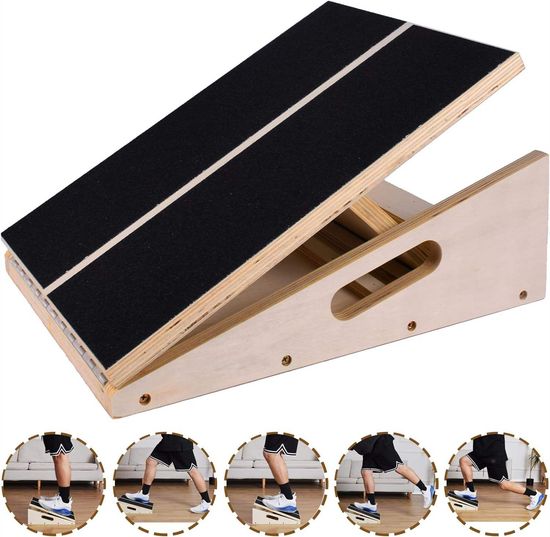


Buyers should prioritize high-density plywood (birch or maple) for wooden boards or heavy-duty steel for professional gym environments. Ensure the surface features high-friction anti-slip grip tape or textured rubber padding to prevent user injury. For wooden models, verify the use of stainless steel hinges and a reinforced support bar capable of sustaining at least 350 lbs to 500 lbs of static weight.
A professional-grade slant board must offer multiple adjustable angles (typically ranging from 15°, 20°, 30°, 35°, to 45°) to accommodate different flexibility levels. Look for a quick-locking mechanism that ensures stability during high-intensity stretching. For portability, check if the design is fully foldable with a built-in carry handle, which is a high-demand feature for home-use retail markets.
Ensure the product complies with ISO 20957-1 (General safety requirements for stationary training equipment). For the US market, materials should be California Proposition 65 compliant regarding lead and phthalates in grip tapes. For European markets, request REACH certification for chemical safety in rubber or plastic components. Always verify that the manufacturer has an ISO 9001 certified quality management system.
Slant boards are primarily used for Physical Therapy (Achilles tendonitis, plantar fasciitis recovery), Athletic Training (patellar tendon strengthening/Poliquin Step-ups), and General Fitness (calf stretching and squat depth improvement). Understanding these niches helps in selecting the right aesthetic—natural wood finishes for wellness clinics versus powder-coated black steel for CrossFit boxes.
Request a pre-shipment inspection (PSI) by a third party to test the load-bearing capacity and hinge durability. On Made-in-China.com, prioritize Audited Suppliers who provide comprehensive factory inspection reports. Always order a production sample to verify the grit level of the anti-slip surface, as poor-quality grip tape often peels during transit in high-humidity shipping containers.
Negotiate based on Total Cost of Ownership (TCO) rather than just the unit price. If you cannot meet a high MOQ, suggest a staggered delivery schedule or ask the supplier to use neutral packaging from an existing production run to lower costs. For bulk orders exceeding 500 units, aim for a 15-20% discount and request custom logo branding (OEM) to be included in the base price.
Slant boards are relatively heavy and dense, making them prone to high volumetric weight charges if not packaged efficiently. Ensure the supplier uses double-walled corrugated export cartons with edge protectors to prevent wood splintering or metal denting. For shipping to the US or Europe, compare DDP (Delivered Duty Paid) terms for small batches versus FOB (Free On Board) for full container loads to optimize your tax and duty liabilities.
Utilize secure payment services provided by Made-in-China.com to ensure funds are only released upon confirmation of shipment. Avoid direct wire transfers to private accounts. Ensure the Sales Contract explicitly states the allowable defect rate (typically <2%) and the specific remedy for damaged goods, such as credit notes or replacement in the next shipment.