
Satisfies 1 requirement
Modern Solar Bollard Light with Ipx4 Waterproof Rating and Adjustable Light Colors for Patio Path
US$5.30-5.80
500 Pieces(MOQ)

I have found results from8000+products and4000+suppliers aboutSolar bollard light


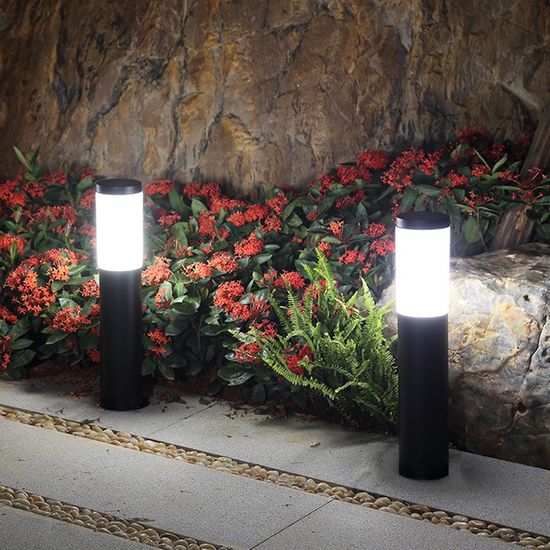


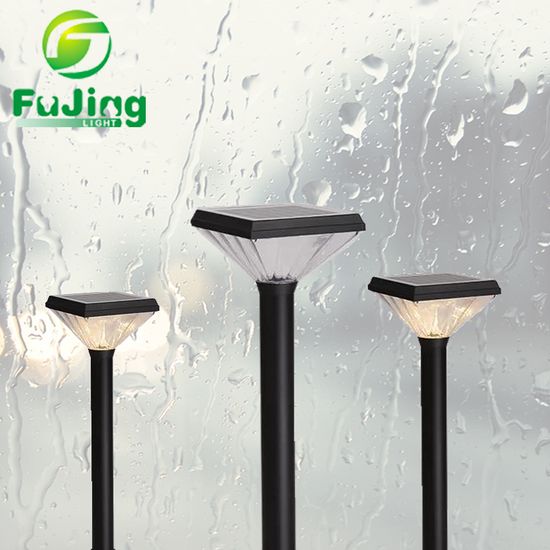


When sourcing solar bollard lights, prioritize Luminous Efficacy (lm/W) to ensure maximum brightness from stored energy. Look for Monocrystalline Silicon solar panels, which offer higher conversion efficiency (up to 22%) compared to polycrystalline options. The battery is critical; ensure the supplier uses LiFePO4 (Lithium Iron Phosphate) batteries, as they provide over 2,000 charge cycles and superior thermal stability. Additionally, verify the IP (Ingress Protection) rating, which should be at least IP65 or IP66 to withstand heavy rain and dust.
Buyers should request data on 'Autonomy Days', which refers to how many nights the light can operate without sunlight; a professional-grade light should offer 3 to 5 days of backup. Check for Smart Power Management (MPPT controllers) that automatically dim the light during low battery levels to prevent total blackout. For specific usage scenarios like pathways, ensure the Beam Angle provides adequate ground coverage to minimize the number of units required per meter.
For the European market, CE (LVD/EMC) and RoHS certifications are mandatory to ensure electrical safety and environmental compliance. For the North American market, look for UL or ETL listings and FCC compliance for electronic components. Since these are outdoor products, IK10 Vandal Resistance rating is highly recommended for public spaces to ensure the housing can withstand physical impact.
The primary risk involves the Lithium batteries, which are classified as Class 9 Dangerous Goods. You must ensure the supplier provides a valid UN38.3 test report and MSDS (Material Safety Data Sheet) for customs clearance. Failure to provide these can lead to shipment seizures or heavy fines. It is often more cost-effective to use Sea Freight (LCL/FCL) for bulk orders, as air freight for batteries is extremely expensive and subject to strict airline regulations.
Always prioritize Audited Suppliers on Made-in-China.com, as their manufacturing facilities and business licenses have been verified by third-party agencies like SGS or Intertek. Request a Video Audit of the production line and ask for IES files (photometric data reports) to confirm that the actual light output matches the advertised specifications. For large-scale projects, consider using Secured Trading Services to protect your payment until the goods are shipped.
Negotiate based on Total Cost of Ownership (TCO) rather than just the unit price. A cheaper light with a lead-acid battery will fail in 1 year, while a LiFePO4 system lasts 5+ years. Ask for tiered pricing based on volume and negotiate for a 2-5 year warranty that includes replacement parts. To ensure quality consistency, stipulate in the contract that the brand of the LED chips (e.g., Cree, Osram, or Lumileds) and the solar controller cannot be substituted without written consent.