
Satisfies 1 requirement
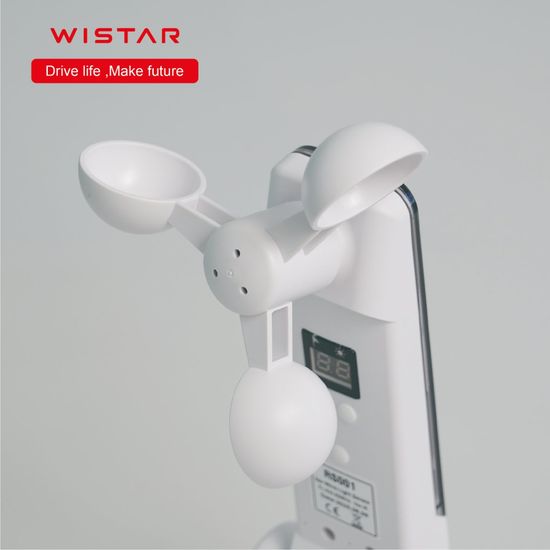
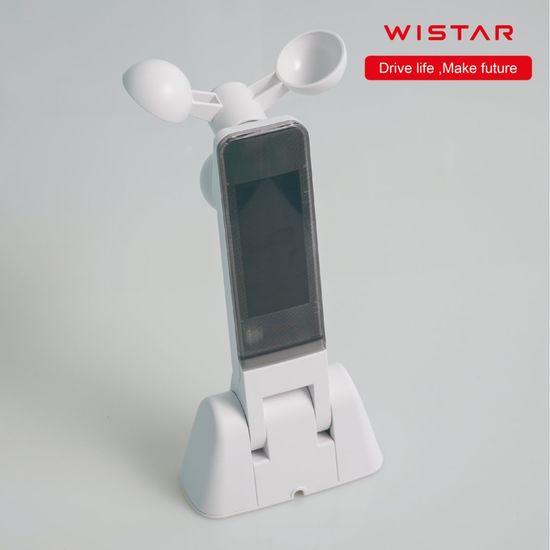
FST100-2003 Wall Mounted Solar Light Sun Illuminance Sensor for Weather Station Iot
US$30.00-41.00
1 Piece(MOQ)

I have found results from90000+products and30000+suppliers aboutSolar light sensor






Buyers should prioritize the Photovoltaic (PV) Conversion Efficiency, aiming for monocrystalline silicon panels with efficiency rates above 20%. Additionally, verify the Battery Type and Capacity; Lithium Iron Phosphate (LiFePO4) batteries are preferred for their longer life cycles (2000+ cycles) compared to standard Li-ion. The Luminous Efficacy should be at least 130-150 lm/W to ensure high brightness with low energy consumption.
There are two primary types: PIR (Passive Infrared) and Microwave Radar. PIR sensors are cost-effective and detect heat signatures, making them ideal for residential use. Microwave sensors are more sensitive, have a 360-degree detection range, and can penetrate thin barriers, which is better for high-security or industrial applications. Ensure the sensor has an adjustable delay time and detection distance (typically 5-12 meters).
For the US market, UL 1598 (for luminaires) and FCC Part 15 (for electromagnetic interference) are essential. For the EU, CE (LVD/EMC) and RoHS compliance are mandatory. Since these are outdoor products, an IP65 or IP67 Waterproof Rating is critical to ensure durability against rain and dust. For high-end projects, look for IK08+ impact resistance ratings.
Calculate the Total Cost of Ownership (TCO) by factoring in the lack of wiring costs and zero electricity bills. High-quality sensors reduce maintenance frequency. Seek suppliers on Made-in-China.com that offer tiered pricing, where bulk orders of 500+ units can often yield 20-30% discounts. Always factor in the warranty period, which should be at least 3 to 5 years for project-grade components.
This is a common risk in the solar industry. You should request a third-party inspection report (such as SGS or Intertek) specifically for battery discharge tests. Use Made-in-China.com's Secured Trading Service to ensure payment is only released after the quality inspection is passed. Avoid suppliers offering prices significantly below the market average, as they often use recycled 18650 lithium batteries.
Focus on Technical Transparency rather than just price. Ask for the brand of the LED chips (e.g., Bridgelux, Osram) and the controller's charging algorithm (MPPT vs. PWM). MPPT controllers are 30% more efficient but cost more. Negotiate for 1-2% spare parts (extra sensors or remotes) to be included in the shipment to handle minor defects without needing international returns.
Solar light sensors contain lithium batteries, which are classified as Dangerous Goods (UN3481). Ensure the supplier provides a valid MSDS (Material Safety Data Sheet) and UN38.3 Test Report. For shipping to the US or Europe, use Sea Freight (DDP or CIF) for bulk orders to minimize costs, but ensure the forwarder is experienced in handling Class 9 hazardous materials to avoid customs seizures.
Always verify the supplier's Business License and Export Qualifications on the Made-in-China.com platform. Look for 'Audited Suppliers' who have undergone on-site factory inspections. Conduct all communications and payments through the platform's official channels to maintain a legal paper trail for dispute resolution.