
Satisfies 1 requirement
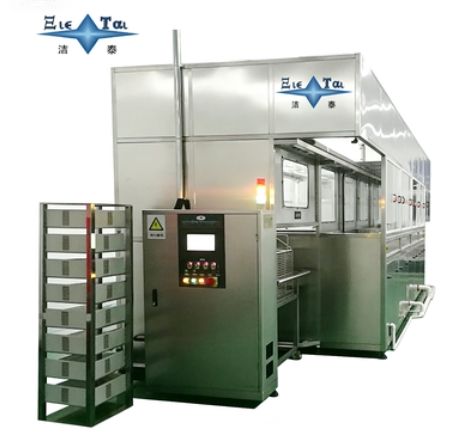
20/25/28/40 kHz Immersion Ultrasonic Vibration Plate Series Ultrasonic Cleaner Cleaning Machine/Equipment
US$200.00-1,200.00
1 Piece(MOQ)

I have found results from50000+products and10000+suppliers aboutUltrasonic vibration




Buyers must prioritize Frequency Range (typically 20kHz to 120kHz) depending on the application; lower frequencies are for heavy-duty cleaning, while higher frequencies are for delicate electronics. Ensure the Power Output (Watts) is adjustable and matches the tank volume or processing load. Additionally, verify the Transducer Quality, as piezoelectric ceramics are the core components that determine the energy conversion efficiency and equipment lifespan.
For the European market, CE Marking and RoHS compliance are essential to ensure electrical safety and the absence of hazardous substances. For North America, UL or ETL certification is highly recommended. If the equipment is used in medical or food processing, ensure the materials (like SUS304 or SUS316L stainless steel) meet FDA or ISO 13485 standards for hygiene and corrosion resistance.
Automatic Frequency Tracking ensures that the generator stays in sync with the transducer's resonant frequency even as temperatures or load levels change. This prevents overheating, maintains stable vibration amplitude, and significantly extends the service life of the generator and transducer, reducing long-term maintenance costs.
For Ultrasonic Cleaning, focus on cavitation intensity and tank dimensions. For Ultrasonic Welding or Cutting, prioritize amplitude control and pneumatic stability. In Liquid Processing (Sonochemistry), ensure the probe material is compatible with the chemical properties of the fluid to prevent cavitation erosion.
The main risks include damage during transit due to the sensitivity of ceramic transducers and voltage incompatibility. Always confirm the Input Voltage (110V vs 220V) and Plug Type before shipping. Request reinforced wooden crate packaging and ensure the supplier provides a pre-shipment test video showing the machine operating at full load.
Focus on Total Cost of Ownership (TCO) rather than just the unit price. Negotiate for spare parts (like extra transducers or generators) to be included in the initial bulk order. For long-term partnerships, request a staggered payment schedule (e.g., 30% deposit, 70% after third-party inspection) to ensure quality leverage.
Ultrasonic transducers are fragile; use Express or Air Freight for small components to minimize handling. For large industrial tanks, use Sea Freight but insist on vacuum packaging and moisture-proof desiccant to prevent oxidation of electronic circuits during long sea voyages. Ensure the Incoterms are clearly defined, preferably CIF or DAP, to include insurance coverage.
Check if the supplier is an Audited Supplier on Made-in-China.com, which indicates their business license and factory capacity have been verified by third-party agencies like SGS or Bureau Veritas. Review their R&D capability—top-tier manufacturers usually hold multiple patents for ultrasonic circuit designs.