
Satisfies 1 requirement
Anhui Anteng 40FT Modular Container House Extendable Prefabricated Unit
US$6,000.00-8,000.00
2 Pieces(MOQ)

I have found results from200000+products and100000+suppliers aboutUnit house


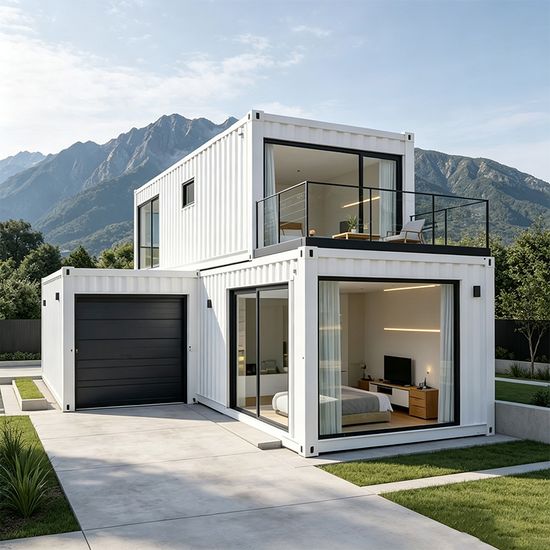


When sourcing unit houses, prioritize the structural frame material, typically Q235 or Q345 galvanized steel, to ensure corrosion resistance and seismic stability. The wall panel insulation is critical; options like Rockwool, PU (Polyurethane), or EPS should be chosen based on the target climate's thermal requirements. Additionally, verify the floor loading capacity (standard is usually ≥2.0kN/m²) and the roof snow load rating to ensure the structure meets local environmental demands.
Compliance is the most vital factor in cross-border housing procurement. You must confirm the supplier holds ISO 9001 for quality management and CE certification for the European market or ASTM standards for North America. Ensure the electrical and plumbing systems are pre-installed according to the destination country's specific codes (e.g., UL for USA, AS/NZS for Australia). Always request fire rating certificates (Class A non-combustible) for the sandwich panels.
Unit houses are versatile: Flat-pack containers are ideal for temporary site offices and labor camps due to their ease of transport. Expandable container houses are preferred for residential cabins or disaster relief because of their rapid deployment (under 15 minutes). For high-end commercial use like hotels or cafes, modular steel structures offer better aesthetic customization and permanent-building feel.
A high-quality unit house should have a design lifespan of 15–25 years. Check the galvanization thickness (microns) of the steel frame; thicker coating prevents rust in coastal areas. Inquire about the waterproof system of the roof—integrated drainage systems with internal downspouts are superior to simple overlapping panels. Request salt spray test reports if the units will be placed in high-salinity environments.
Shipping costs can significantly impact your ROI. Flat-pack units are the most cost-effective, as 4 units can typically fit into one 40ft HQ shipping container. For fully assembled modular units, you must account for OOG (Out of Gauge) shipping fees. Always clarify the Incoterms; CIF or DDP are common, but FOB allows you better control over the specialized logistics required for oversized housing components.
To ensure transaction security, use secure payment methods and consider third-party factory audits before placing a bulk order. On platforms like Made-in-China.com, look for 'Audited Suppliers' who have undergone verified on-site inspections. It is highly recommended to release payments in stages: a deposit for production, a mid-term payment after a video inspection, and the final balance only after receiving the Bill of Lading (B/L).
Negotiation should focus on volume-based scaling and material specifications. If the price is too low, suppliers may downgrade the steel thickness or insulation density. Instead of just asking for a discount, negotiate for added value, such as spare parts kits (extra glass, sealants, bolts) or extended structural warranties (e.g., 5 years instead of 1). Mentioning long-term project pipelines can often secure a 5-10% price reduction on bulk orders.
The biggest pitfall is customs clearance failure due to lack of certification. Many countries require pre-shipment inspections (PSI). Ensure the supplier provides a detailed Packing List and HS Code (typically 940690) accuracy to avoid heavy fines. Additionally, confirm if the unit requires a local engineer's stamp for foundation permits before the shipment arrives to avoid expensive port storage fees.