
Satisfies 1 requirement
Professional Light-Duty Single Side Woodworking Thickness Planer with Straight Cutter Head Motor 4kw 220V/380V 4200 Rpm 13.5 Mpm
US$1,680.00-1,980.00
1 Piece(MOQ)

I have found results from20000+products and7000+suppliers aboutWood working planer


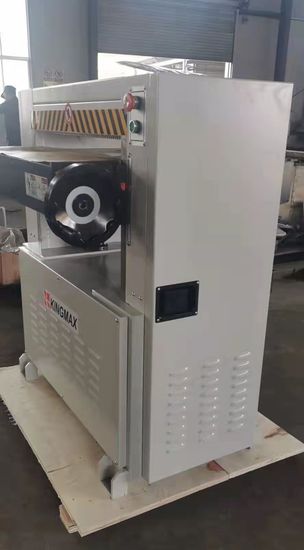


When sourcing a wood working planer, you must prioritize the motor power (typically 1.5HP to 5HP) to ensure it can handle hardwoods without stalling. The cutting width and depth are critical; industrial standards usually require a width of 12 to 20 inches and a maximum cutting depth of 1/8 inch per pass. Additionally, look for machines equipped with a helical or spiral cutterhead rather than straight blades, as they significantly reduce noise, improve surface finish, and lower long-term maintenance costs due to indexable carbide inserts.
For the European market, the CE Marking is mandatory, ensuring compliance with the Machinery Directive 2006/42/EC. For the North American market, look for UL or CSA certification to ensure electrical safety. Furthermore, ensure the manufacturer follows ISO 9001 Quality Management Systems to guarantee consistent production standards. Always verify that the machine includes emergency stop buttons and anti-kickback fingers to protect operators.
High-quality planers must feature a precision-ground cast iron table to provide a stable, vibration-free work surface. The table should be highly polished to reduce friction as wood passes through. For heavy-duty B2B applications, ensure the table is supported by a four-column hoist system to maintain absolute parallelism between the table and the cutterhead, preventing snipe (gouging at the ends of the board).
Regular maintenance is vital. Buyers should ensure the supplier provides a clear manual for lubricating the drive chains and gears. The dust collection port (typically 4-inch diameter) must be connected to a high-volume extractor to prevent chip buildup, which can damage the rollers. Choosing a supplier on Made-in-China.com that offers easy access to replacement carbon brushes and drive belts will significantly reduce operational downtime.
The main risks include shipping damage and electrical incompatibility. To mitigate these, specify seaworthy vacuum packaging or reinforced wooden crates to prevent rust and physical impact. Always confirm the voltage and frequency (e.g., 220V/50Hz vs 110V/60Hz) with the supplier before production to match your local power grid. Utilizing Trade Resources on Made-in-China.com can help verify the supplier's business license and export history.
Focus on the Total Cost of Ownership (TCO) rather than just the unit price. Negotiate for spare parts kits (extra blades, belts, and bearings) to be included in the initial price. For orders exceeding 10 units, request a 5-10% volume discount or an extension of the warranty period to 24 months. Ask for a Pre-Shipment Inspection (PSI) to be conducted by a third party to ensure the machines meet the agreed-upon specs before final payment.
Due to the weight and volume of cast iron planers, LCL (Less than Container Load) or FCL (Full Container Load) sea freight is the most economical method. Ensure the supplier provides a Fumigation Certificate for wooden packaging to comply with international shipping regulations (ISPM 15). Clearly define Incoterms (e.g., FOB or CIF) in the contract to establish who is responsible for insurance and local port charges.
Always use secured payment methods provided by reputable platforms like Made-in-China.com, which offer escrow-like services where funds are only released upon proof of shipment. Avoid direct wire transfers to private accounts. Request video verification of the machine's operation with a serial number visible before the final balance is paid to ensure the unit is functional and ready for dispatch.