
Satisfies 1 requirement
OEM Hi Vis Safety Jackeet Custom High Visibility Men's High Reflective Safety Workwear Hivis Vest
US$0.40-1.50
500 Pieces(MOQ)

I have found results from50000+products and20000+suppliers aboutWork wear vest


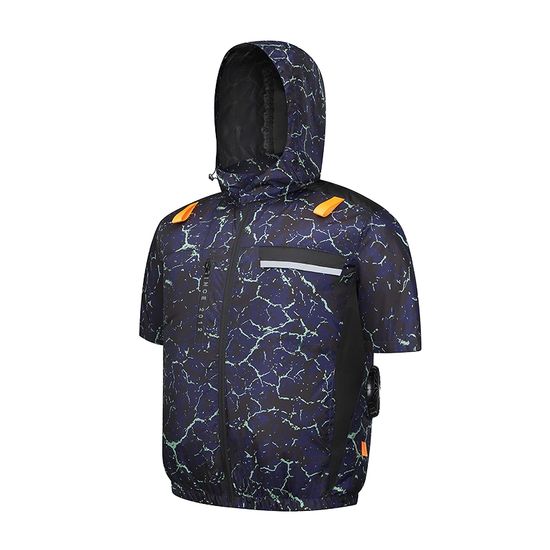


For industrial-grade work wear vests, you should prioritize Polyester-Cotton blends (TC fabric), typically in a 65/35 ratio, which offers a balance of breathability and abrasion resistance. Ensure the fabric weight is at least 240-300 gsm for heavy-duty tasks. For high-visibility requirements, the fabric must be fluorescent polyester compliant with EN ISO 20471 or ANSI/ISEA 107 standards, featuring retro-reflective tapes with a minimum coefficient of retroreflection of 330 cd/(lx·m²).
Evaluate the vest based on its intended environment. For construction, look for reinforced multi-pockets with bar-tack stitching at stress points to prevent tearing under the weight of tools. For electrical work, ensure the vest uses non-conductive zippers and flame-retardant (FR) materials certified under ASTM F1506 or EN 11612. Always request a size chart alignment to ensure the vest can be worn over winter jackets without restricting movement, which is a critical safety factor in manual labor.
For the EU market, the product must carry the CE mark and comply with the Personal Protective Equipment (PPE) Regulation (EU) 2016/425. For the US market, compliance with ANSI/ISEA 107-2020 for high-visibility safety apparel is essential. Additionally, ensure the dyes used are AZO-free and compliant with REACH (EU) or CPSIA (US) to avoid hazardous chemical liabilities.
When requesting OEM services, specify embroidery or silk-screen printing that can withstand at least 50 industrial wash cycles without fading or peeling. Ask the supplier for wash test reports (ISO 6330). For high-end corporate branding, heat transfer vinyl is acceptable but ensure the adhesive is industrial-grade. Always request a pre-production sample (PPS) to verify logo placement and color accuracy against Pantone references.
Utilize third-party inspection services (such as SGS or Intertek) to conduct a During Production Check (DUPRO) and a Final Random Inspection (FRI). Focus on seam strength, zipper fluidity, and reflective tape adhesion. On platforms like Made-in-China.com, prioritize Audited Suppliers who have undergone comprehensive on-site verification of their manufacturing capabilities and quality management systems.
Negotiate based on Total Landed Cost. While a lower unit price is attractive, verify if it includes custom labeling and individual polybag packaging. For initial orders, aim for an MOQ of 500-1,000 pieces to secure wholesale pricing, but request a tiered pricing structure where costs drop by 5-10% as volume doubles. Always clarify if the price is FOB (Free On Board) to maintain control over your shipping costs and logistics.
Avoid direct wire transfers to unknown accounts. Use Secured Trading Services provided by reputable B2B platforms like Made-in-China.com to ensure payment is only released upon confirmation of shipment. For large-scale contracts, consider using a Letter of Credit (L/C) or a 30% deposit / 70% balance against Bill of Lading (B/L) copy to protect your capital.
Ensure the supplier provides an accurate HS Code (typically 6211.33 for synthetic work vests) to avoid customs delays and incorrect duty applications. For urgent needs, use Air Freight, but for cost-efficiency in bulk, Sea Freight (LCL or FCL) is recommended. Ensure all packaging is moisture-proof to prevent mold during long-duration transit across different climate zones.