
Satisfies 1 requirement
Pilates Studio Multi-Functional Yoga Oak Wood Pilates Wunda Chair
US$196.00-225.00
1 Piece(MOQ)

I have found results from10000+products and6000+suppliers aboutYoga chair


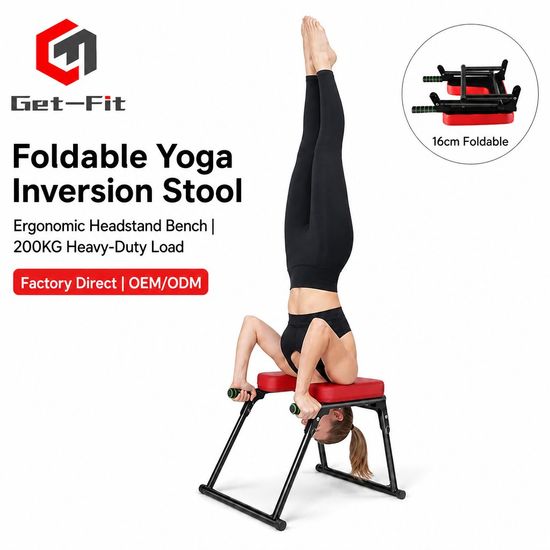
A professional yoga chair must prioritize structural stability and safety. Look for frames made of high-quality tubular steel with a wall thickness of at least 1.5mm to prevent bending under body weight. The chair should feature double-hinged cross-bracing for maximum support. Ensure the backless design is smooth and free of burrs to prevent injury during inversions. Additionally, the seat height should typically be around 41cm to 45cm to accommodate standard ergonomic requirements for various yoga poses.
For the US market, products should ideally meet ASTM international standards for furniture safety. For the EU, CE marking and compliance with EN 12520 (strength, durability, and safety requirements for domestic seating) are critical. Furthermore, ensure the materials used, especially the powder coating and any plastic caps, are REACH or RoHS compliant to guarantee they are free from hazardous substances like lead or phthalates.
Request a static load test report; a high-quality yoga chair should support at least 250kg (approx. 550lbs) without structural failure. Check the powder coating quality—it should be scratch-resistant and applied evenly to prevent rust. For the feet, ensure they are fitted with non-marking, anti-slip rubber caps that are securely attached, as these are vital for stability on studio floors and prevent the chair from sliding during high-pressure poses.
Most professional suppliers on Made-in-China.com offer customization such as logo silk-screening on the seat or frame, custom color powder coating to match brand aesthetics, and the addition of extra-tall frames or removable backrests. You can also negotiate for customized packaging (e.g., reinforced 5-layer corrugated boxes) to reduce damage rates during international transit.
The primary risk is structural failure due to poor welding, which can lead to liability issues. Mitigate this by requesting third-party factory audits and Pre-Shipment Inspections (PSI). Another risk is shipping damage (dents or scratches); ensure the contract specifies protective foam wrapping for each chair and the use of heavy-duty pallets for LCL (Less than Container Load) shipments.
Focus on Total Cost of Ownership (TCO) rather than just the unit price. Negotiate for a lower MOQ on trial orders to test market response, but ask for a 5-10% discount when moving to full container loads (FCL). Always clarify the Incoterms; for yoga chairs, FOB (Free On Board) is often preferred as it allows the buyer to control the freight costs and choose a reliable forwarder.
Use Trade Assurance or secure payment methods provided by Made-in-China.com to protect your funds until delivery is confirmed. For shipping to countries like the US or UK, ensure the supplier provides a Clean Bill of Lading and all necessary Customs HS Codes (typically 9401.71 or 9401.79) to avoid delays. If shipping to the EU, verify that the EORI number and VAT documentation are correctly handled to streamline the import process.