SourcingAI

Garage container manufacturers

I have found results from400+products and200+suppliers aboutGarage container

Sourcing guidance for Garage Container

How to choose the right material and structural specifications for a Garage Container?

When selecting a garage container, prioritize Corten steel (weathering steel) for the main structure to ensure maximum corrosion resistance. The wall thickness should ideally be between 1.6mm and 2.0mm for durability. For the flooring, ensure it is equipped with 28mm marine-grade plywood or checkered steel plates capable of supporting vehicle weights, typically requiring a floor load capacity of at least 250-300 kg/sqm.
What are the essential compliance and safety standards for international procurement?

Ensure the container meets ISO 6346 standards for dimensions and coding. If the garage will be used for shipping as well as storage, it must have a valid CSC (Container Safety Convention) plate. For electrical installations inside the garage, verify compliance with CE (Europe) or UL (USA) standards, and ensure the unit includes proper ventilation systems to prevent the buildup of exhaust fumes or moisture.

How can I evaluate the insulation and environmental adaptability of the unit?

For regions with extreme temperatures, choose containers with Sandwich Panel insulation (EPS, Rockwool, or PU). Polyurethane (PU) offers the best thermal efficiency. Ensure the roof is treated with anti-reflective and waterproof coatings, and check that door seals are made of EPDM rubber to maintain a watertight environment and protect vehicles from rust and mold.

What customization options should a B2B buyer look for?

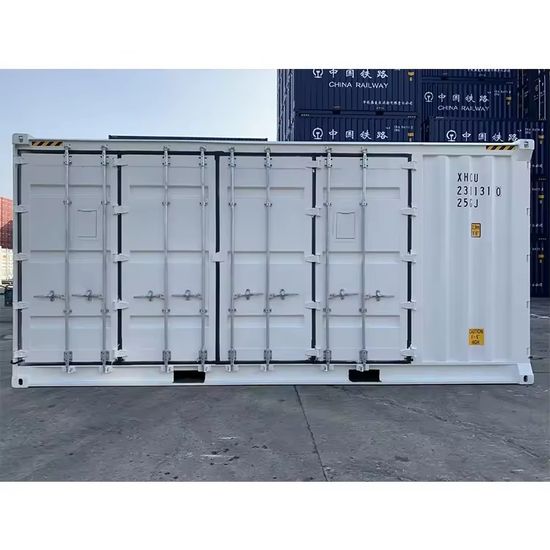
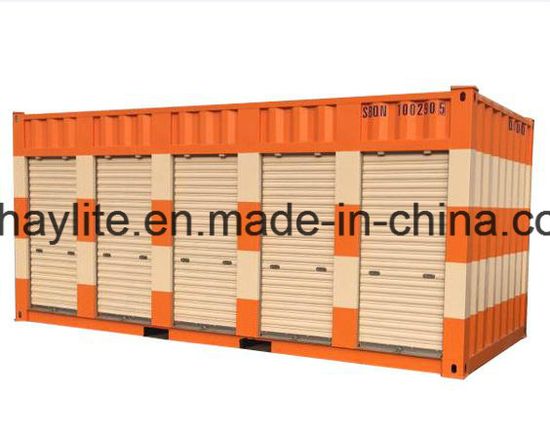
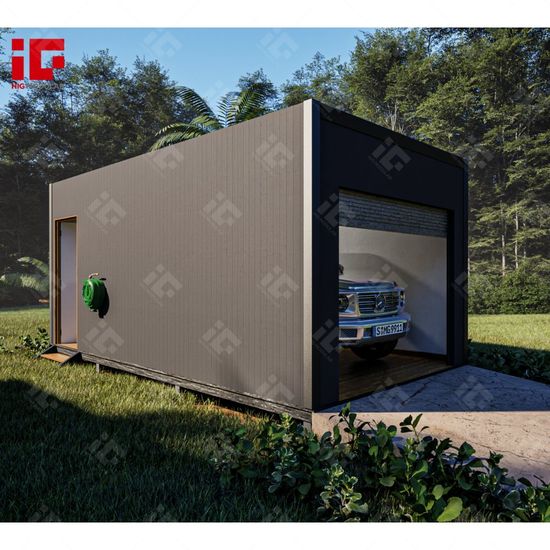
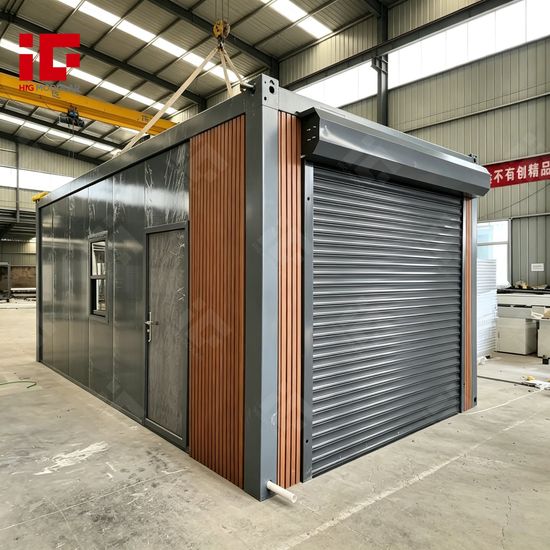
A professional supplier should offer customizable door types, such as electric roller shutters or heavy-duty side-swing doors. Other critical options include integrated LED lighting, built-in tool racks, and reinforced security lockboxes (lock housings) to prevent bolt cutters from accessing the padlocks.

Cross-Border Purchasing Considerations for Garage Containers

What are the primary logistics risks when importing large containers?

The main risk is Oversize/Overweight surcharges if the container is modified beyond standard 20ft or 40ft dimensions. Always confirm the Incoterms; for large items, CIF or DAP via Made-in-China.com verified logistics partners is recommended to ensure the supplier handles the complex sea freight and port handling processes.

How can I ensure transaction security and quality during the production phase?

Utilize Secure Payment services provided by reputable platforms like Made-in-China.com to hold funds in escrow until shipping documents are uploaded. Additionally, hire a third-party inspection agency (like SGS or BV) to perform a Pre-Shipment Inspection (PSI) to verify welding quality, paint thickness, and watertightness before the balance is paid.

What should I know about import duties and local regulations?

Check the HS Code (typically 860900) for your specific country to calculate customs duties. Be aware that some regions classify garage containers as temporary structures, while others require permanent building permits. Always request the Certificate of Origin from the supplier to potentially benefit from Free Trade Agreement (FTA) duty reductions.

How do I negotiate effectively with container manufacturers?

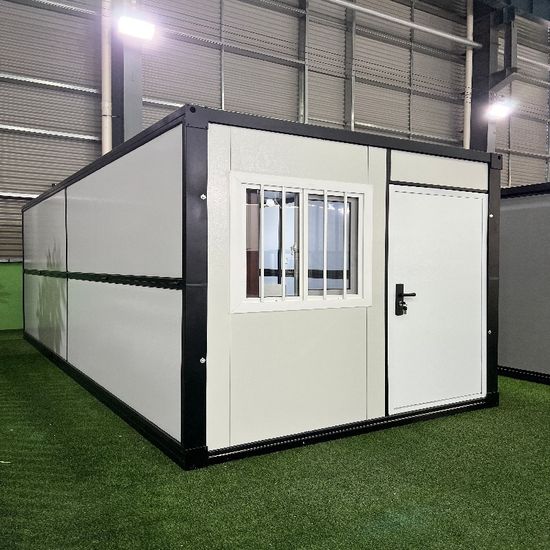
Focus on the steel grade and weight rather than just the unit price; a cheaper container often uses thinner steel. Negotiate for spare parts (like extra door seals or touch-up paint) and ask for a volume discount if ordering more than 3 units, as shipping multiple units (e.g., flat-pack style) can significantly reduce per-unit freight costs.

Related queries