
SourcingAI

Trigger point massage ball manufacturers

I have found results from400+products and200+suppliers aboutTrigger point massage ball

Sourcing guidance for Trigger Point Massage Ball

How to choose the right material for Trigger Point Massage Balls based on target users?

Selecting the appropriate material is critical for user safety and effectiveness. For deep tissue therapy, prioritize High-Density EPP (Expanded Polypropylene) or Solid Rubber (TPE/Silicone) as they provide the necessary firmness to reach deep muscle knots. For sensitive users or beginners, EVA foam offers a softer touch. Ensure all materials are BPA-free, non-toxic, and hypoallergenic, especially for products with direct skin contact. On Made-in-China.com, you can find suppliers providing SGS or RoHS certifications to verify material safety.

What are the key functional designs to look for in a professional-grade massage ball?

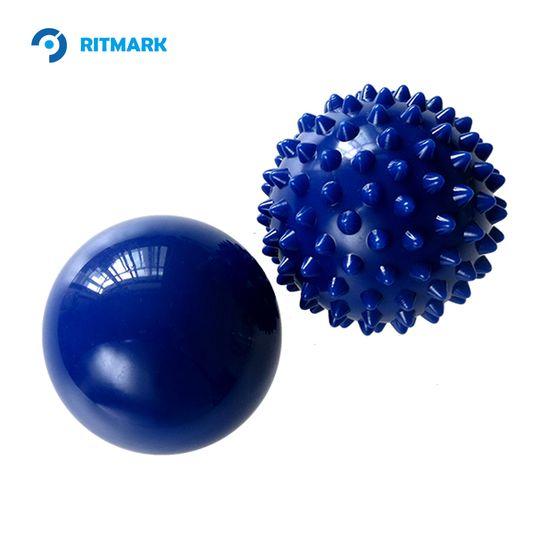
A professional-grade product should offer variety in surface texture and size. Spiky massage balls are ideal for stimulating blood flow and sensory input, while smooth, lacross-style balls are better for sustained pressure on specific trigger points. Consider double massage balls (peanut shape) for spinal alignment and neck relief. Ensure the product has a high weight-bearing capacity (at least 150kg) to prevent deformation during full-body weight exercises.

What compliance standards and certifications are required for international trade?

Since these are health and fitness products, they must meet specific regional standards. For the US market, compliance with California Proposition 65 (lead and phthalate limits) is often required. For the EU market, REACH regulation compliance is mandatory to ensure no harmful chemicals are present. If marketed as a 'medical device' for physical therapy, you may need FDA registration or CE marking (MDR). Always request factory audit reports (ISO 9001 or BSCI) from suppliers to ensure consistent manufacturing quality.

How can I evaluate the durability and performance of the massage balls before bulk purchasing?

Request a compression recovery test report to see if the ball maintains its shape after repeated use. For rubber-based balls, check the Shore Hardness (Durometer) rating—typically 60-70 Shore A is standard for firm trigger point therapy. Ask the supplier for samples to test the 'grip' or anti-slip properties; a ball that slides too easily on the floor is ineffective for self-myofascial release.

Cross-Border Procurement Considerations for Massage Equipment

What are the common risks when sourcing massage balls from overseas suppliers?

The primary risks include material odor issues (common in low-quality PVC/Rubber) and inconsistent hardness across batches. To mitigate this, use Made-in-China.com's Secured Trading services and specify the exact Shore Hardness in your purchase contract. Another risk is intellectual property infringement regarding patented designs; always verify that the supplier owns the design rights or is an authorized OEM.

How can I optimize shipping costs for these relatively heavy but small items?

Massage balls, especially solid rubber ones, have high density, which can lead to high shipping costs. Consolidate orders to reach a full container load (FCL) or use LCL (Less than Container Load) shipping to reduce unit costs. Consider minimalist eco-friendly packaging (like mesh bags or recycled cardboard boxes) to reduce volume and weight. For high-value branded sets, sea-plus-delivery (Matson/ZIM) is often the most cost-effective balance between speed and price.

What strategies should be used when negotiating with fitness equipment manufacturers?

Focus on Tiered Pricing based on volume; for orders over 2,000 units, you should aim for a 15-25% discount compared to the sample price. Negotiate for customized logo embossing (molding) to be included in the price if the order meets a certain threshold. Also, request a 1-2% spare parts allowance or a credit for any defective units found during third-party inspections.

How do I ensure transaction security and quality control during the procurement process?

Always conduct a Pre-Shipment Inspection (PSI) through a third-party agency like V-Trust or Intertek. Ensure the Bill of Lading (B/L) and Commercial Invoice descriptions match exactly to avoid customs delays. Utilize Trade Terms like FOB (Free On Board) to maintain better control over the freight forwarder and local logistics costs.

Related queries