
Satisfies 1 requirement
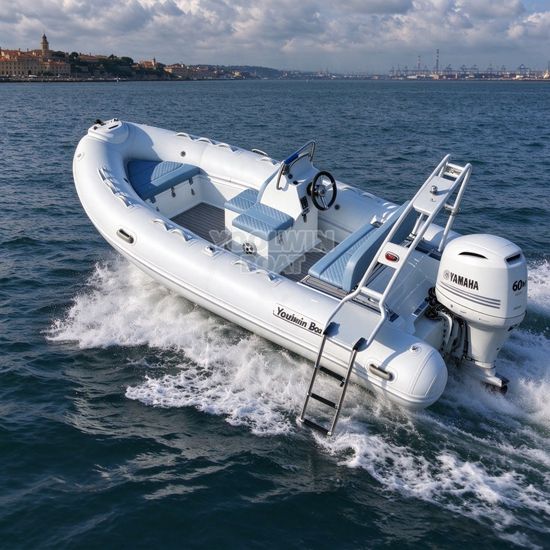
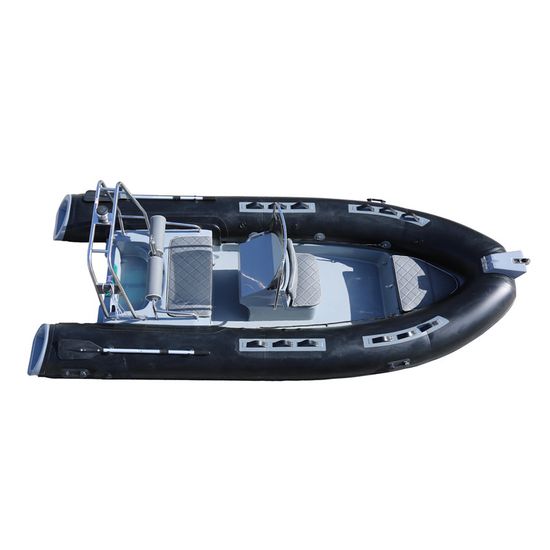
19 Feet 5.8 Meter Taiwan Hypalon Rigid Inflatable Boat Fishing Rib 580 Boat Fiberglass Boat
US$8,500.00-9,200.00
1 Piece(MOQ)

10000+ products and 4000+ suppliers results






When evaluating a 7-meter fiberglass boat, focus on the hull design (Deep-V for offshore or Flat-bottom for calm water), fiberglass thickness (typically 8-12mm for the hull), and the resin type (Vinylester resin is preferred for superior osmosis resistance). Ensure the boat features high-density foam flotation for unsinkability and marine-grade 316 stainless steel hardware to prevent corrosion in saltwater environments.
For the European market, the boat must have CE Certification (Category C for inshore or Category B for offshore). For the US market, compliance with ABYC (American Boat and Yacht Council) standards and USCG (United States Coast Guard) regulations is essential. Always verify the HIN (Hull Identification Number) format to ensure it meets international tracking standards.
Request documentation on the Hand Lay-up or Vacuum Infusion process; vacuum infusion generally offers a higher strength-to-weight ratio. Ask for Gelcoat specifications to ensure UV resistance. It is critical to confirm the use of transom reinforcement (often using composite boards or marine plywood) to support the weight and torque of the outboard engine.
A capable supplier should offer OEM/ODM services, including deck layout modifications (center console vs. dual console), fuel tank capacity upgrades, and integrated livewell systems for fishing applications. Ensure they can provide pre-installed wiring harnesses that follow standard color-coding for easy electronics integration.
A 7-meter boat (approx. 23 feet) usually exceeds the width of a standard container. The most common methods are 40ft FR (Flat Rack) containers or RORO (Roll-on/Roll-off) shipping. If the beam (width) is under 2.3 meters, it might fit in a 40ft HQ container using a specialized tilting cradle, which significantly reduces freight costs.
Utilize Trade Assurance services on Made-in-China.com to protect your payment. Never release the full balance until a third-party pre-shipment inspection is completed. This inspection should include a hull watertightness test (hose test) and a functional check of all electrical systems.
Ensure the Incoterms (e.g., FOB or CIF) clearly state who is responsible for the custom-made shipping cradle, as boats require specialized support to prevent hull deformation during transit. Clarify if the quoted price includes the outboard engine, steering system, and trailer, as these are often priced separately.
Verify the HS Code (typically 8903.92) for fiberglass motorboats to calculate specific import duties in your country. Ensure the supplier provides a Builder's Certificate, a Bill of Sale, and a Certificate of Origin, which are mandatory for vessel registration and titling at your local maritime authority.