
Satisfies 1 requirement
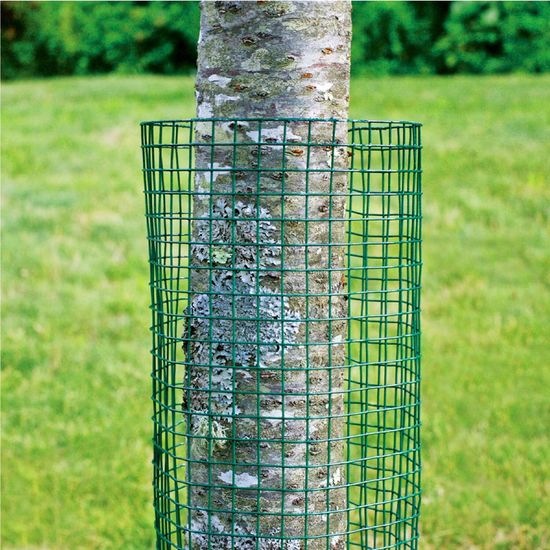
High Quality Climbing Plant Support Mesh Welded Wire Mesh
US$55.90-58.90
100 Square Meters(MOQ)

I have found results from200000+products and60000+suppliers aboutPlant support mesh


For large-scale commercial agriculture, high-density polyethylene (HDPE) is the industry standard due to its UV resistance and chemical stability. If you are sourcing for vertical gardening or heavy crops like tomatoes or cucumbers, prioritize extruded plastic mesh with high tensile strength. For eco-conscious markets, look for biodegradable jute or hemp netting, though these have a shorter lifespan compared to synthetic options. Always ensure the material is non-toxic to prevent chemical leaching into the soil or crops.
Buyers should focus on Mesh Size (Aperture), typically ranging from 10cm x 10cm to 15cm x 15cm, to ensure hands can pass through for harvesting. Weight per square meter (GSM) is a critical indicator of durability; a higher GSM usually signifies a stronger load-bearing capacity. Additionally, verify the Breaking Strength (measured in Newtons) to ensure the mesh can support the weight of mature fruits without sagging or snapping.
Ensure the product complies with REACH (Registration, Evaluation, Authorisation and Restriction of Chemicals) for the European market to guarantee the absence of harmful plasticizers. For the US market, check for ASTM standards related to plastic aging. If the mesh is intended for organic farming, the supplier should provide documentation proving the materials do not violate organic certification requirements (such as USDA Organic or EU Organic regulations).
Calculate the Cost-per-Season rather than just the initial purchase price. A mesh with 3-5% UV stabilizers may cost 10% more but can last 3-5 years, whereas untreated mesh may degrade in a single season. Request accelerated weathering test reports from the supplier to validate claims about outdoor lifespan. For high-volume orders, sourcing from Made-in-China.com allows you to compare factory-direct pricing and negotiate bulk discounts of 20-30%.
The primary risk is material substitution, where a supplier uses recycled plastic instead of virgin HDPE, leading to premature brittleness. To mitigate this, request a pre-shipment inspection (PSI) and a material analysis report. Another risk is dimensional variance; ensure the contract specifies a tolerance level (e.g., ±2%) for width and length to avoid receiving rolls that are shorter than advertised.
Focus on Total Landed Cost rather than just the unit price. Negotiate for customized packaging (e.g., retail-ready rolls with private labels) which can save you local labor costs. Use the Trade Assurance services available on Made-in-China.com to secure your payment until the quality is verified. For long-term partnerships, ask for staggered delivery schedules to manage your inventory flow without incurring high warehousing fees.
Plant support mesh is lightweight but high-volume, making it prone to high 'dim weight' charges. To optimize shipping, request vacuum compression packaging or high-density rolling to reduce the volume. For large orders, Sea Freight (FCL or LCL) is the most cost-effective. Ensure the HS Code (typically 5608.19 or 3926.90) is correctly declared to avoid customs delays and ensure you are paying the correct import tariffs.
Always conduct transactions through verified channels and use Letters of Credit (L/C) or Escrow services for large amounts. Stay updated on anti-dumping duties that some regions may apply to plastic products. Verify the supplier's Business License and Export Qualification on Made-in-China.com to ensure they are a legitimate manufacturer and not an unlicensed middleman.