
Satisfies 1 requirement
Lead Based PVC Stabilizer Chemical Additive Used for PVC Plastic Production
US$1,563.00
1 Ton(MOQ)

I have found results from90000+products and20000+suppliers aboutPvc stabilizer


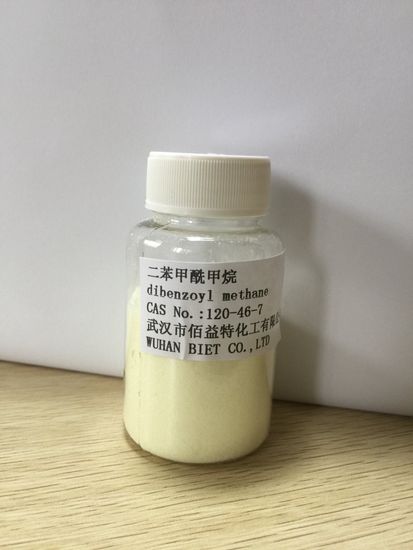


The selection depends heavily on the end-use of the PVC. For rigid PVC (pipes and profiles), Lead-based stabilizers or Calcium-Zinc (Ca-Zn) stabilizers are common, though Ca-Zn is preferred for environmental compliance. For flexible PVC (cables and films), Liquid Barium-Zinc or Organotin stabilizers are favored for their excellent transparency and heat stability. You must evaluate the thermal stability time, initial coloring, and long-term weatherability to ensure the stabilizer prevents degradation during high-temperature processing.
Global markets are strictly regulating heavy metals. If you are exporting to the EU or North America, you must ensure the stabilizers are Lead-free and comply with REACH (Registration, Evaluation, Authorisation and Restriction of Chemicals) and RoHS (Restriction of Hazardous Substances). For food-contact applications or medical devices, the stabilizer must meet FDA (U.S. Food and Drug Administration) or equivalent food-grade certifications to ensure no toxic migration occurs.
While Lead-based stabilizers are traditionally cheaper and offer a wide processing window, Calcium-Zinc (Ca-Zn) stabilizers are the industry standard for sustainability. Although the unit price of Ca-Zn may be higher, it reduces the risk of regulatory fines and market rejection. When calculating costs, factor in the dosage efficiency; high-quality composite stabilizers often require a lower phr (parts per hundred resin), which can balance the Total Cost of Ownership (TCO).
Request a COA (Certificate of Analysis) for every batch, focusing on purity, melting point, and metal content. For B2B buyers, it is critical to perform a Congo Red Test to measure the thermal stability time. I recommend sourcing from suppliers on Made-in-China.com who hold ISO 9001 certification and can provide third-party lab reports (SGS or Intertek) to verify that the chemical composition matches the technical data sheet (TDS).
The main risks involve improper packaging and regulatory delays. PVC stabilizers, especially liquids or fine powders, must be packed in moisture-proof, UV-protected bags or drums to prevent clumping or chemical alteration. Ensure the supplier provides a valid MSDS (Material Safety Data Sheet) and UN Packaging Certification if the product is classified as hazardous, to avoid customs seizures or shipping line rejections.
Chemical prices fluctuate with raw material costs (like tin, zinc, or stearic acid). Negotiate a formula-based pricing agreement or a fixed-price contract for a specific volume (e.g., 6 months). For large-scale buyers, requesting tiered pricing based on annual volume rather than per-order volume can lead to discounts of 5-10%.
Use Secured Trading Services provided by platforms like Made-in-China.com to ensure payment is only released upon proof of shipment. For first-time orders, utilize Letter of Credit (L/C) or Escrow services. Additionally, hire a third-party inspector to conduct a pre-shipment inspection (PSI) to verify the quantity and packaging integrity before the container is sealed.
Ensure the HS Code (typically 3812.39) is correctly declared to avoid tariff penalties. Work with freight forwarders experienced in chemical logistics who understand the requirements for temperature-controlled storage if necessary. Always confirm the import duties and anti-dumping duties in your specific country, as some regions impose high tariffs on specific chemical origins.