
Weifang Zhida Special Ceramics Co., Ltd.
Satisfies 2 requirements
- 6400 m²
- 63 staff
- Business Type
- Manufacturer/Factory & Trading Company
- Main Products
- SISIC Finished Products
- R&D Capacity
- OEM
- City/Province
- Weifang, Shandong

High Quality Sic Grinding Barrel Silicon Carbide Ceramic Bushing
US$10.00-30.00
10 Pieces(MOQ)
Sample Available
Reliable Silicon Carbide Wear-Resistant Composite Iron Shell
US$100.00-500.00
1 Piece(MOQ)

Perfect Performance Silicon Carbide Composite Iron Shell Wear-Resistant
US$100.00-500.00
1 Piece(MOQ)

Perfect Performance Silicon Carbide Wear-Resistant Composite Iron Shell
US$100.00-500.00
1 Piece(MOQ)

Reliable Silicon Carbide Composite Iron Shell Wear-Resistant
US$100.00-500.00
1 Piece(MOQ)

Silicon Carbide Composite Iron Shell for Energy and Other Fields
US$100.00-500.00
1 Piece(MOQ)

High-Strength Silicon Carbide Composite Iron Shell
US$100.00-500.00
1 Piece(MOQ)

Perfect Performance Silicon Carbide Composite Iron Shell
US$100.00-500.00
1 Piece(MOQ)

Reliable Silicon Carbide Composite Iron Shell
US$100.00-500.00
1 Piece(MOQ)

High-Strength Silicon Carbide Composite Iron Shell Made in China
US$100.00-500.00
1 Piece(MOQ)

Reliable Wear-Resistant Silicon Carbide Composite Iron Shell
US$100.00-500.00
1 Piece(MOQ)
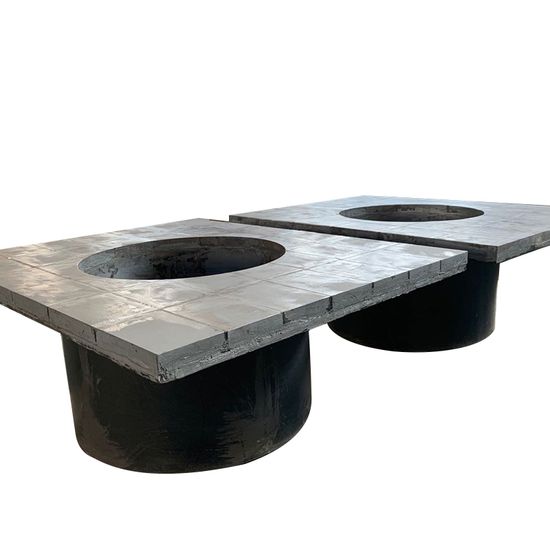
Used in Aerospace Wear-Resistant Silicon Carbide Composite Iron Shell
US$100.00-500.00
1 Piece(MOQ)

Factory Direct Supply of Wear-Resistant Silicon Carbide Composite Iron Shell
US$100.00-500.00
1 Piece(MOQ)

High Quality Silicon Carbide Composite Iron Shell Wear-Resistant
US$100.00-500.00
1 Piece(MOQ)

Durable Silicon Carbide Composite Iron Shell Wear-Resistant
US$100.00-500.00
1 Piece(MOQ)

High Quality Wear-Resistant Silicon Carbide Composite Iron Shell
US$100.00-500.00
1 Piece(MOQ)

High Quality Silicon Carbide Composite Iron Shell
US$100.00-500.00
1 Piece(MOQ)

Durable Silicon Carbide Composite Iron Shell
US$100.00-500.00
1 Piece(MOQ)


